You know the spot: the bend in the trail where your dog always stopped to read the news, or the edge of the lake, or the stretch of beach. You search "is it legal to scatter pet ashes," open the first official page you find, and most of what you read says "human ashes." Often nothing says dog. Nothing says cat. You are left wondering whether that means yes, no, or "nobody thought about it."
It mostly means the rules were written with people in mind. This guide reads a few of those rules as they are actually worded, shows where they go quiet about pets, and ends with three things you can do that don't require a law degree. We are not lawyers, and nothing here is legal advice.
The short version: there is no single national rule for scattering pet ashes. Several federal and state rules mention only human ashes, so for any land that isn't yours, ask the people who manage it before you go. For the ocean, the EPA says its burial-at-sea permit covers human remains only.
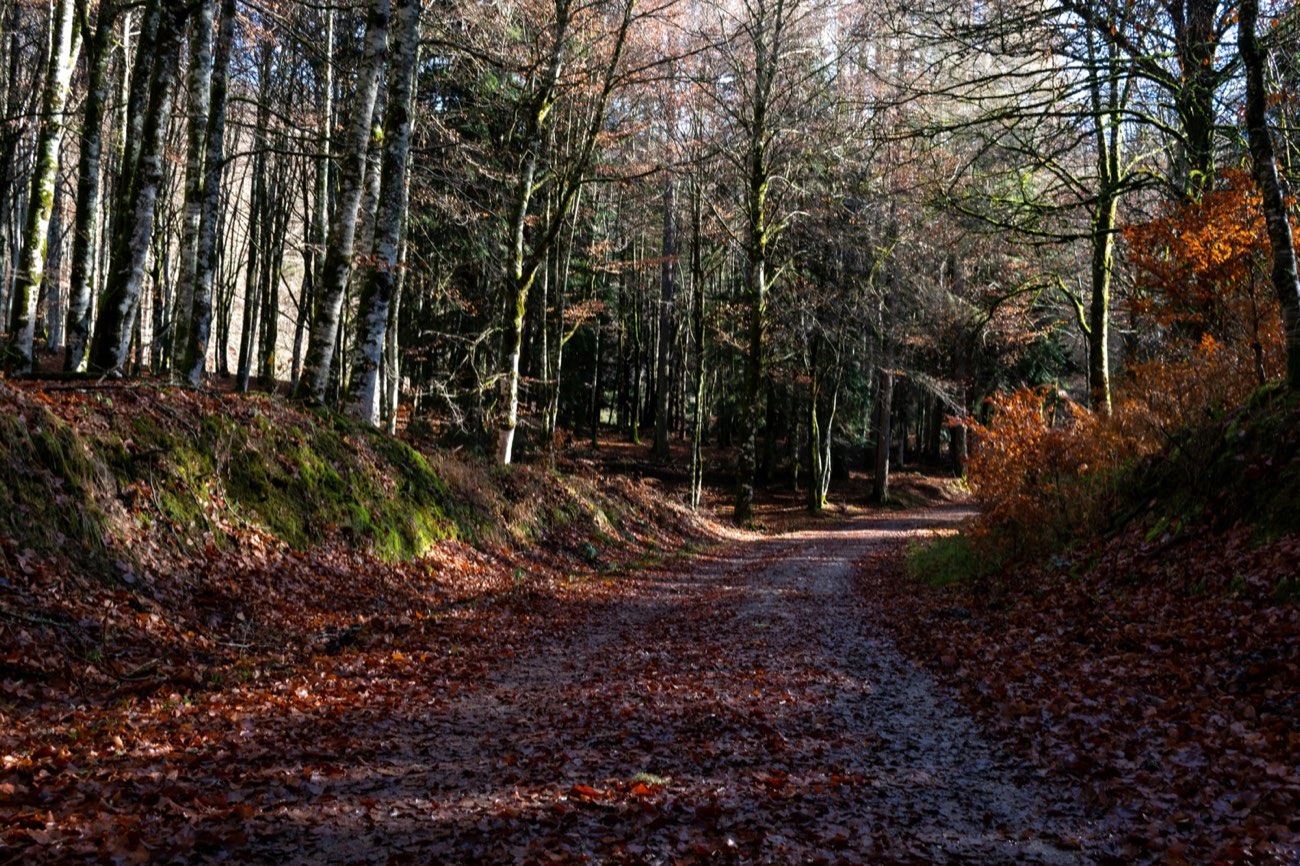
National parks: a rule with the word "human" in it
The federal rule for National Park Service land is 36 CFR 2.62, titled "Memorialization." Its scattering sentence reads: "The scattering of human ashes from cremation is prohibited, except pursuant to the terms and conditions of a permit, or in designated areas according to conditions which may be established by the superintendent."
That is a fact about the wording. What it means for a dog is less clear, because the sentence doesn't say. Individual parks explain the rule in their own pages, and they differ:
- Great Smoky Mountains National Park says requests to scatter ashes need permission under that rule, and that you must carry a Letter of Permission on site. The page doesn't mention pets or animals at all. Silence is not a yes, and it is not a no.
- Yellowstone National Park is more direct. Its scattering permit page lists, among its requirements, "Only human cremains may be scattered."
Two parks, two different amounts of detail. We did not read the pages for other parks, so we can't tell you what the rest say. If you have one in mind, look for the park's own page on scattering ashes, then call or email the office and ask about a pet by name. Asking is the whole task.
Two state park rules we could open
Two state rules we could open are also written around human ashes, though they work differently:
- Idaho's rule on spreading of human ashes says people may spread human ashes on Idaho Department of Parks and Recreation land if the park or program manager pre-approves the exact location (approval of a location rather than a permit), and that "persons may not spread ashes in the water within a state park."
- Oklahoma's state park rule on memorialization says "the scattering of human ashes from cremation is prohibited except pursuant to the terms and conditions of a departmental Permit."
Neither rule mentions animals. That is the gap this article is about: a way to get approval exists for human ashes, and pets are not named in it. We looked at only two states, so please don't read this as a map of all fifty. We also could not open the pages for several other states and agencies, such as California State Parks and the Bureau of Land Management, so we are not describing them.

Land that isn't a park
Much of what people mean by "anywhere" is a field, a family property, a friend's orchard, or a spot by a trail that may be owned by a county, a land trust or a private person. We did not look up a statute for these, so here is opinion rather than law: if you don't own the land, the person who does is the one who can say yes. A short message to them, with your dog's name in it, tends to go better than a surprise. If you rent your home, your landlord is that person for the yard.
Lakes and rivers
The EPA's burial at sea page answers a related question in its FAQ: scattering cremated remains in lakes, rivers or other inland waters "is not subject to federal regulation under the MPRSA" (the Marine Protection, Research, and Sanctuaries Act). It then adds that states may have their own requirements, that burial of cremated remains in inland waters is prohibited in some states, and that you should contact the state environmental agency, health agency or mortuary board. The page speaks of cremated remains in general, not pets specifically.
In plain terms: for a lake, the EPA says its ocean-permit rule (the MPRSA) does not apply, and states may set their own requirements, so the answer depends on where you are. Idaho's state park rule above, which bans spreading ashes in the water of a state park, shows how that can look in practice.
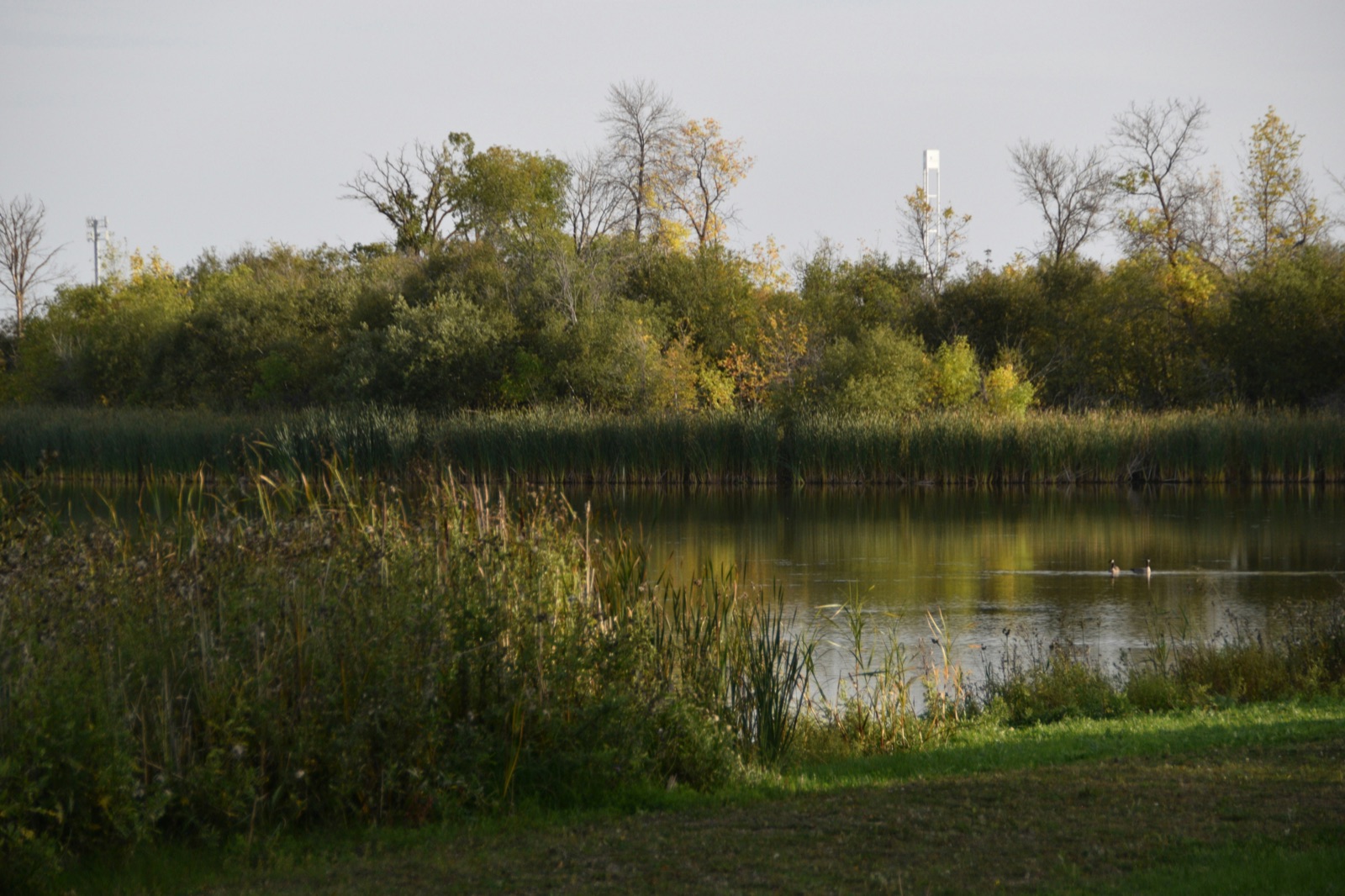
The ocean: the EPA's permit covers people only
The EPA's page covers the general permit for burial at sea. For human cremated remains, the permit requires burial at least three nautical miles from land, with notice to the EPA within 30 days. Then comes the line about animals. Under the heading "Can pet or non-human remains be buried at sea under the MPRSA general permit?" the EPA answers: "No. The MPRSA general permit at 40 C.F.R. 229.1 authorizes the burial at sea of human remains only." It adds that pet ashes cannot be mixed with cremated human remains for burial under the general permit.
Read carefully, that says the permit built for people doesn't cover pets. It does not say what, if anything, does apply to pet ashes on their own, and the page doesn't tell you. If the sea matters to you, the EPA page lists regional offices for burial-at-sea questions. We did not call them.

What this gap does and doesn't mean
Here is what we can say from the pages we opened:
- Fact: the federal park rule, the two state park rules and the EPA's ocean permit are all worded around human remains.
- Fact: the Yellowstone page says only human cremains may be scattered, and the EPA says its ocean permit does not cover pets.
- Not a fact we can give you: how a ranger, a park manager or a state agency would treat a quiet scattering of a dog's ashes in a place that has a human-ashes permit. The text doesn't answer it, and we haven't asked them.
Our opinion is that it would help if park and agency pages said something about pets, even one line, so a grieving person didn't have to guess. Until they do, the sensible read is that "not mentioned" means "ask first." None of this is a reason to feel you've done something wrong by wondering.
Three things you can do
- Pick the place, then ask the manager by name. Park office, county parks department, land trust or landowner. Say it plainly: "I'd like to scatter my dog's ashes quietly. What applies?" Ask them to confirm in an email, and keep it.
- Start with land that is already yours or whose owner says yes. A garden, a family field, a friend's property with their blessing. You can still bring a little to the special place later if you get an answer.
- Keep a small portion at home while you wait. There is no rush. Our guide to what to do with dog ashes has options for the in-between weeks. If the dog is not yet cremated, burying a dog at home has its own local rules.
If you chose communal cremation
If your pet's remains were not returned, the question changes. Providers have their own practices for where communal remains go, which we covered in our guide to the words on cremation forms. You can ask yours where it happens and whether families can visit.
One thread, and what it did and didn't show
We looked for public conversations on this question and read one recent one: a recent thread on a UK parenting forum. A household asked whether to scatter their dog's ashes in the garden now or wait until after they move, because one person couldn't bear leaving them behind. The replies suggested keeping part in a pot with a shrub or fruit tree that could travel, keeping the ashes until the move, and scattering some at a favourite walking spot. In the replies we read, nobody brought up permission or rules. That is one UK thread, so it tells us about that household's question, not about how most people think about the rules.
When you are ready, you can create a memorial page for them, with a photo, a few lines about who they were and the place you hope to take them, so that wherever the ashes end up, there is a spot that is yours.
This article is general information, not legal advice. Rules change and differ by place. Check the current rules with the land manager or agency before you scatter.
If this helped, you can pass it on to someone who is grieving.
Keep reading
- 2026-11-17
A Letter to Anyone Who Chose Goodbye for Their Dog
You turn the key, and the house is quiet in a new way. A letter for the person who said yes: the last blanket, the heavy word, and what other owners say helped.
- 2026-11-17
Pet Loss Christmas Ornament Ideas: Make One Tonight
You lift the box down and your hand finds the stocking with their name on it. Ornaments you can make tonight, a short ritual for hanging one, and what to keep away from your other pets.
If you are thinking about harming yourself, call or text 988 in the US, any time.