Pet Euthanasia Consent Form: What You Are Signing, and Who Is Allowed to Sign It
2026-11-29 · 5 min read
The front desk slides a clipboard across the counter. One line asks you to confirm that you have the authority to sign. Some forms may include a line like this one: the veterinarian may dispose of your dog as the clinic sees fit. You have not slept well in days, and the pen is already in your hand.
This page looks at what two state veterinary rules say about euthanasia consent forms. We did not read any clinic's own form or survey the other states, so we cannot say how every clinic handles it.
If you only have a minute: Louisiana's veterinary board rule requires a written euthanasia consent form signed by the owner or an authorized agent, and lists items it must say. Ohio's rule requires the veterinarian to make a reasonable attempt to reach the owner or agent first. Neither text, as we read it, says what happens when family members disagree. Ask the clinic to show you the form before the day, and settle who signs.

What two state rules say
- Louisiana. The state's Board of Veterinary Medicine rule on conduct of practice (La. Admin. Code tit. 46, pt. LXXXV, § 1039, as published by Cornell's Legal Information Institute, which notes an amendment effective November 1, 2024) says that before a euthanasia procedure, a licensed veterinarian "shall meet personally with the owner or duly authorized agent" and have them sign a euthanasia consent form that goes in the medical record. The form must be in writing and, as the page lists it, include that the signer has the authority to consent, that they give "full and complete authority to euthanize and dispose of the animal in whatever manner the veterinarian deems appropriate," that to the best of their knowledge the animal has not bitten anyone in the last 15 days or been exposed to rabies, and that they understand euthanasia as the veterinarian explained it and give permission. The copy we read ends the list after four items, so check the official rule for anything more. The rule adds that a clinic may put payment or liability language in the form, but the board does not require it. (Cornell LII, La. Admin. Code 46:LXXXV.1039.)
- Ohio. Ohio Administrative Code 4741-1-09, listed as effective September 1, 2017, says a veterinarian "must make a reasonable attempt to communicate" with the owner, the owner's agent, or the person presenting the animal if the owner is unknown, before euthanasia. The text we read does not say the consent has to be written. It also says that if the veterinarian is unwilling or unable to carry out the owner's or agent's request for euthanasia, the animal must be released so euthanasia can be sought elsewhere. (Cornell LII, Ohio Admin. Code 4741-1-09.)
For comparison from outside the U.S., the College of Veterinarians of Ontario's FAQ on euthanasia says a veterinarian should take reasonable measures to ensure, where possible, that the owner or their designated authorized representative consents. The page we read did not say whether the consent must be written. (CVO, Frequently Asked Questions about Veterinary Euthanasia, Ontario, Canada, no date shown in the text we read.)

What the two rules do not tell you
Two things stand out, and both are about what we did not find.
- Who counts as "the owner." The Louisiana text refers to "the owner or duly authorized agent." Neither rule, in the passages we read, explains how a vet should decide among co-owners, such as two partners or adult siblings sharing a parent's dog. We did not search court cases or other states, so we cannot say how a disagreement would be resolved.
- The word "dispose." In the Louisiana list, the line about authority to dispose of the animal "in whatever manner the veterinarian deems appropriate" is part of what the board requires the form to say. That does not mean a clinic ignores your wishes about cremation or ashes. It means your wishes are worth stating separately and in writing, because a general line on a form may not capture them. We have not read any clinic's form, so we cannot say how any of them word it.
This is our reading of the texts, not legal advice. Rules in your state may differ.
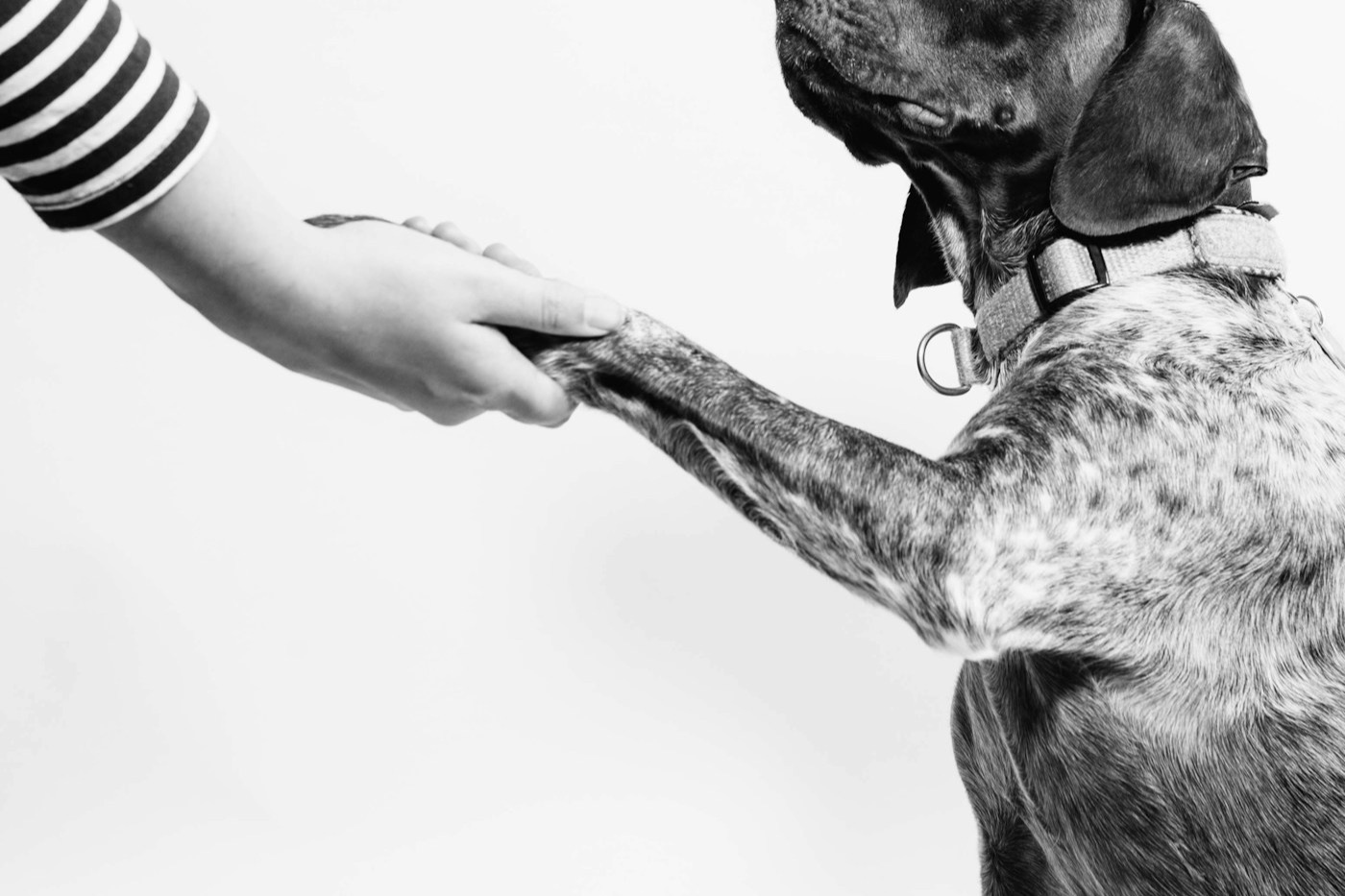
When more than one person loves the dog
Our view, not a legal finding: the hardest moment is not the pen. It is the family member who was not asked. Our guide to guilt after euthanizing a dog covers how heavy a decision like this can feel even when everyone agrees. When people do not agree, it can feel heavier. A short conversation beforehand, even by text, about who signs, who will be in the room, and what happens afterward can spare someone a lasting sense of being left out.

Questions to ask the clinic before the day
- Can I see the consent form ahead of time, by email or at the counter?
- Who may sign? Can another family member sign for me if I cannot be there, and do you need that in writing?
- Is there a place on the form to choose cremation type or return of ashes, or is that a separate sheet? (Our guides on cremation labels and confirming you get your pet's ashes explain what to ask.)
- If my dog is already at the end and I am not ready, what are my options? Can I take them elsewhere?
- Are fees listed anywhere before I sign? (See economic euthanasia if cost is part of the decision.)

What you can do
- Ask for the form early. Call or email the clinic and ask to read the consent and aftercare forms before the appointment. If you are going to a home-visit service, who checks the vets has questions for that situation.
- Decide who signs, and tell the others. If a family member or co-owner cannot attend, talk it through and ask the clinic what it accepts.
- Write your aftercare wishes down. Put them on the form or a separate note, and ask for a copy. Then create a memorial page for your dog, free and without ads.
This article is general information, not legal or veterinary advice. We opened and read two state rules and one Canadian FAQ on November 29, 2026, through Cornell's Legal Information Institute copies; we did not read any clinic's own form or survey other states. Rules and clinic forms vary and change; check your state veterinary board and the clinic.
If this helped, you can pass it on to someone who is grieving.
Keep reading
- 2026-11-29
Can You Take Your Dog Home After Euthanasia? What Happens to Their Body, and What to Decide Before You Go
The vet asks if you want to take her home or have the clinic handle it. The options, what to ask, and what we could not confirm.
- 2026-11-29
Still Hear Your Dog After They Died? Nails, Barks, and What Research Says
The click of nails in the hallway at midnight. What research on grieving dog owners says, what it can't say, and when to tell someone.
If you are thinking about harming yourself, call or text 988 in the US, any time.