What to Do on Your Dog's Last Day: Gentle Ideas and What to Ask Your Vet First
2026-11-27 · 5 min read
The appointment is on the calendar for Thursday afternoon, and now there is a whole day in front of it that you don't know what to do with. Cook something? Drive somewhere? Sit on the floor and not move?
This page is about designing that one day, not about the decision or what happens in the room. It can't tell you what is safe for your dog's body or whether it is time. Those answers belong to the veterinarian who knows your dog, so call the clinic first. If your dog is in distress right now, call your vet or an emergency clinic before reading further.
If you only have a minute: call your vet and ask what your dog can eat, whether sedation changes the plan, and what time works best. Then build the day around your dog's comfort, not a list. A veterinary school page we read suggests thinking about a favorite place, a special meal or treat, and who should be present.
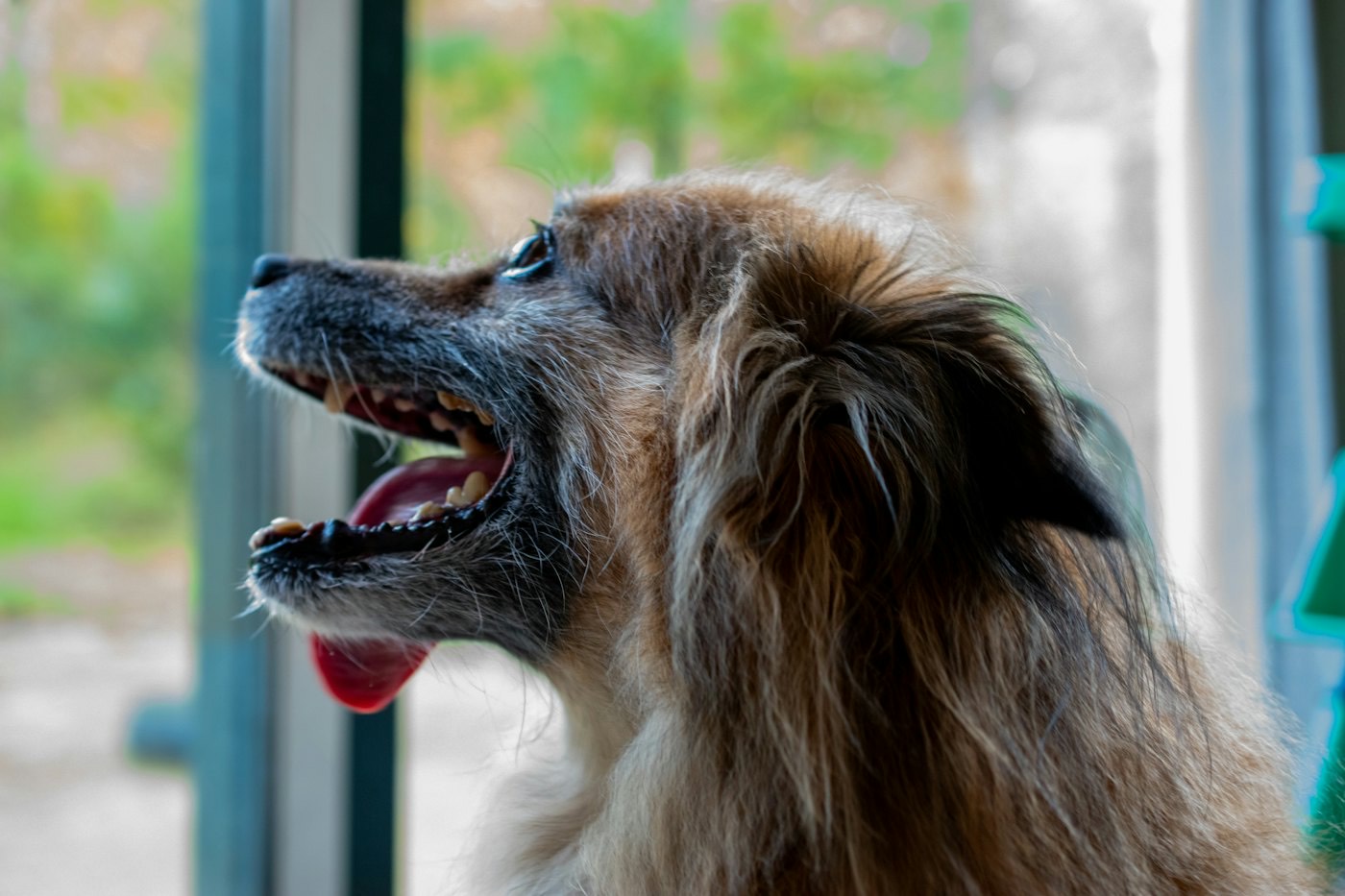
Call your vet first, and write the answers down
Everything below depends on your dog's illness, medications, and pain. We found no source that says one rule fits every dog, so we are not going to give one. These are questions worth asking when you call:
- Can my dog eat or drink before the appointment? Is there anything I should not give, or any medication I should still give that morning?
- Does the plan include a sedative, and does that change what my dog should eat or when?
- Is a car ride, a walk, or stairs okay for how my dog is feeling, or would moving hurt?
- Can we have the first or last appointment of the day, or a time when the clinic is quiet? Is there a quiet room or an outdoor spot?
- Does the practice or a nearby vet come to the house? (What to expect from in-home euthanasia covers that visit.)
Colorado State University's veterinary health system suggests asking whether the facility has a quiet space or a garden area, and notes that in-home services let families make appointments day or night, including weekends. VCA's veterinarians write that euthanasia is usually provided at the practice or at home, and that the location is the family's choice. Whether your clinic offers any of that is a phone call away.
Three kinds of last day
The right day depends less on a list than on what your dog can still do. These are our suggestions, not medical advice, and your vet can adjust any of them.
If your dog can still walk
- Pick one place, not five. The spot your dog always pulled toward on walks, the end of the street, a patch of grass. Go slowly and let your dog stop to sniff for as long as they like.
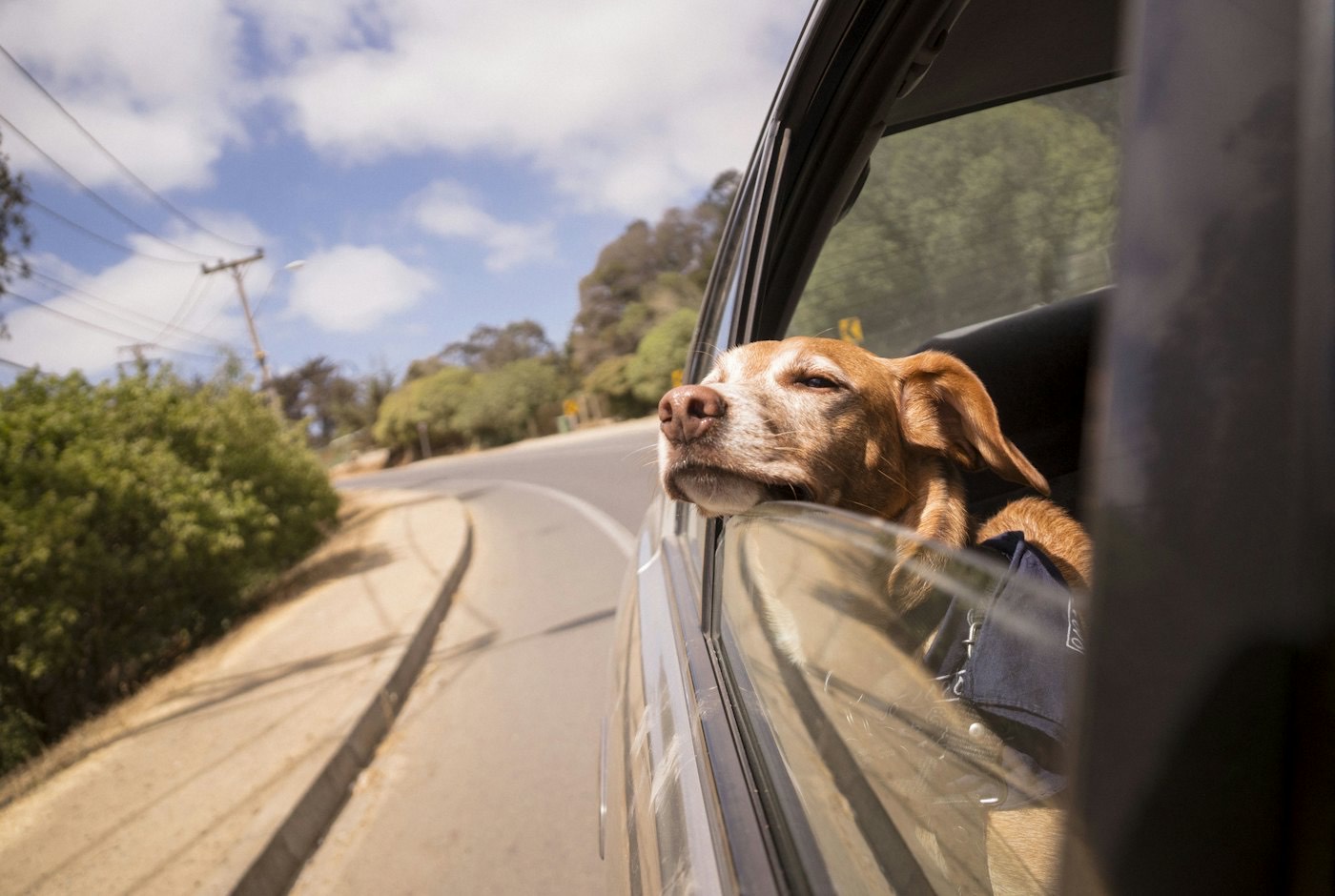
- If your dog loves the car and your vet agrees, a short drive with the window cracked can be the whole outing.
- Skip anything that requires a push, like a long hike or a trip to see everybody. Your vet can tell you how much outing your dog can handle.
If your dog can't get up easily
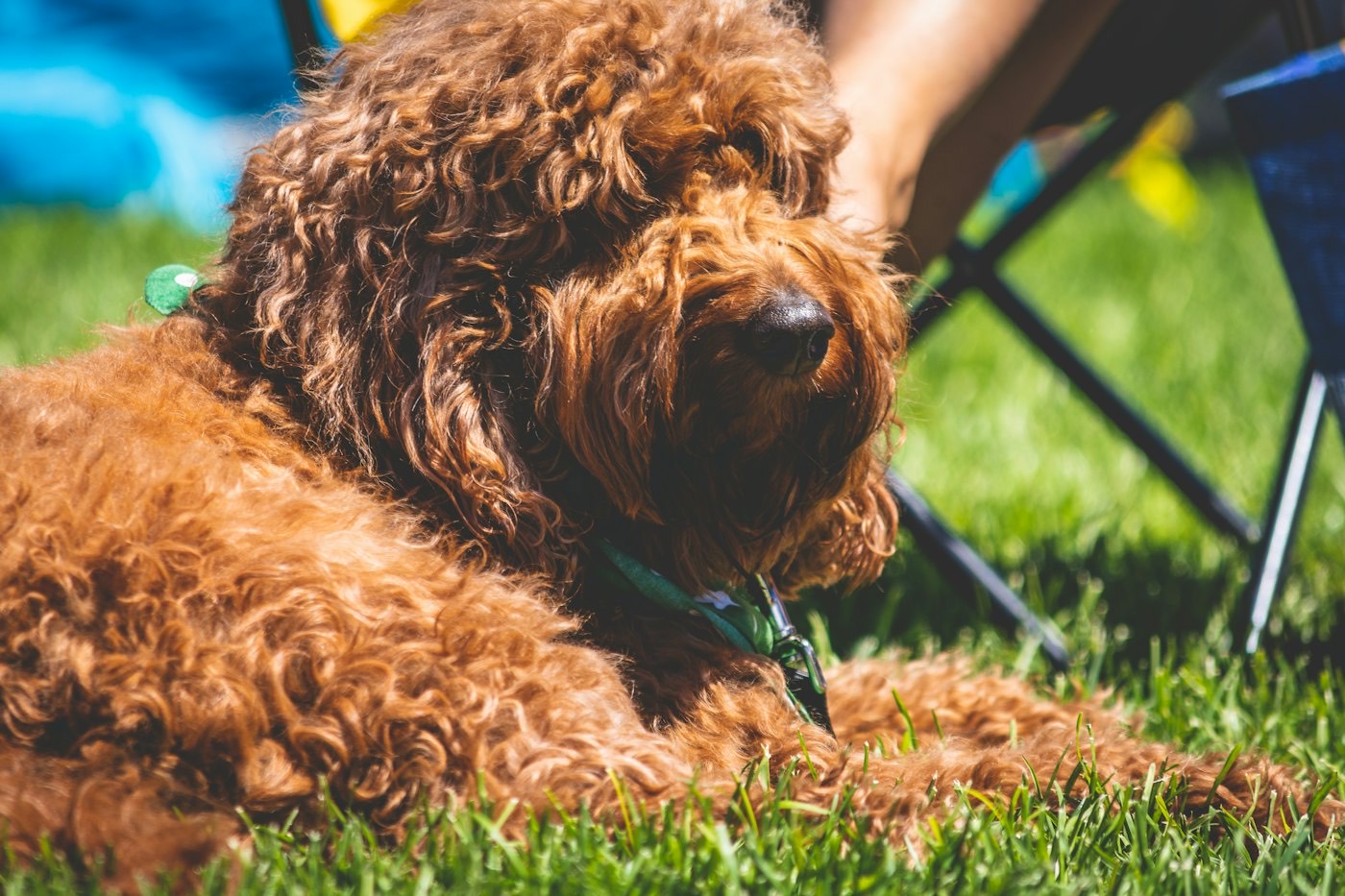
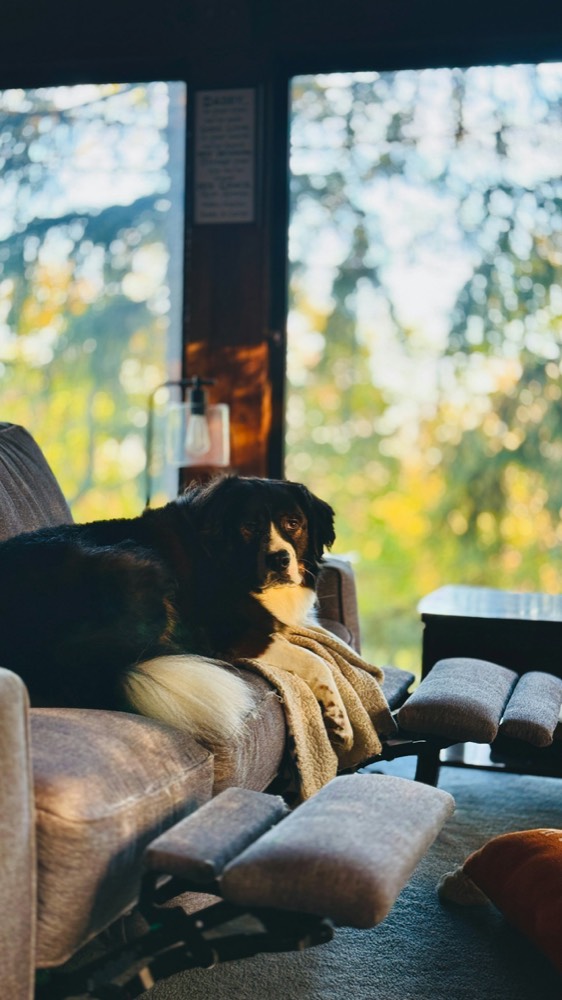
- Bring the day to your dog. Move the bed to the sunny spot, open the door so the air and the sounds come in, and sit on the floor beside them.
- Ask your vet whether a house visit is possible, so your dog doesn't need a car ride at all.
- Keep the day quiet. Fewer visitors, softer voices, the radio low if your dog likes it.
If your dog won't eat
- A dog who refuses food isn't failing at the last day. Offering a favorite treat is fine to try, but if your dog turns it down, let it go.
- Comfort can replace food: brushing, a warm blanket, a hand resting on the same spot your dog always leaned into.
- Tell your vet what your dog is and isn't taking. It helps them plan, and it keeps you from guessing.
The food question, honestly
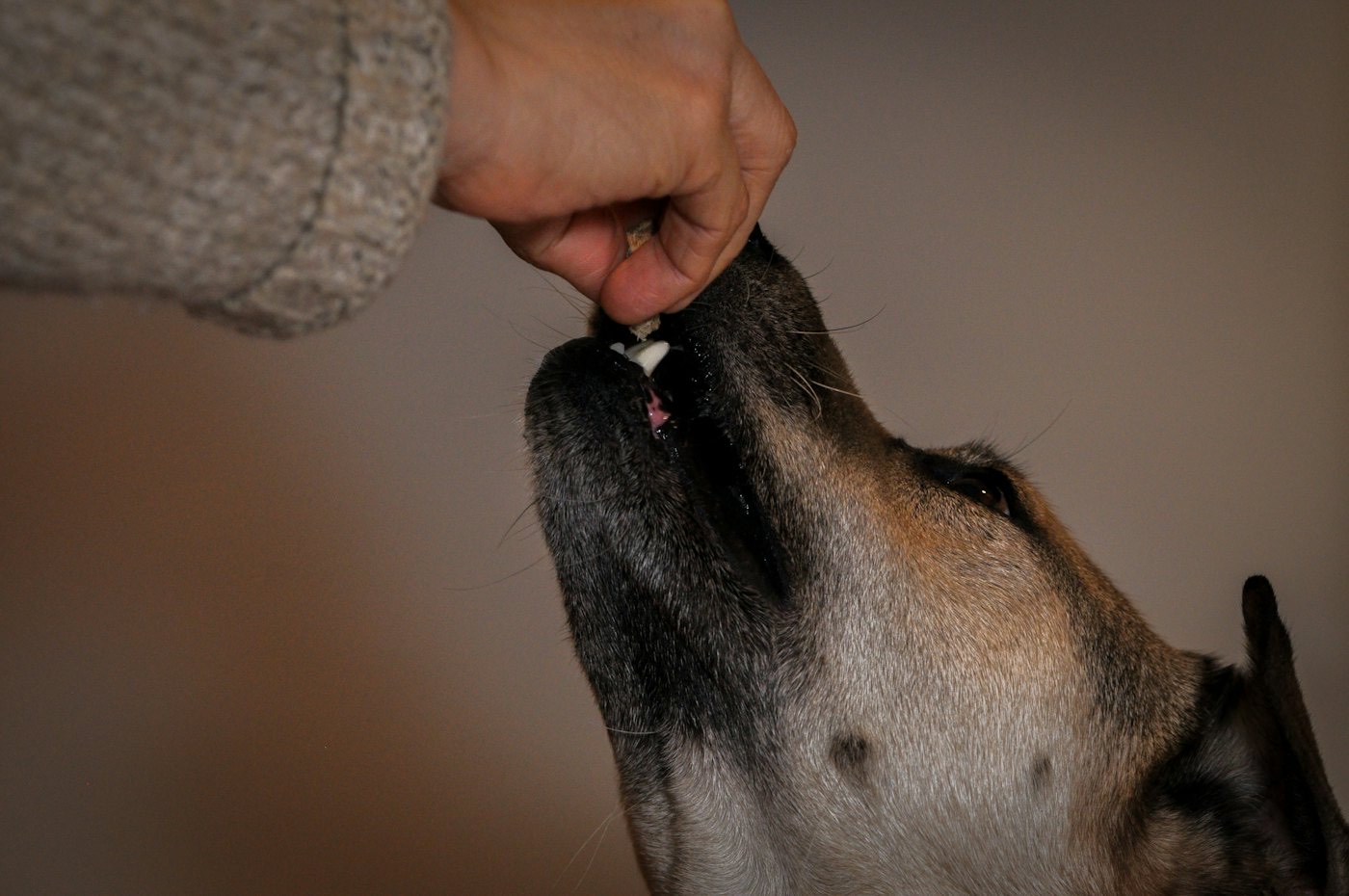
The Colorado State page asks what final special meal or treat your pet would enjoy, and it gives examples. Rich foods don't suit every dog, so ask your vet what is safe, then pick from what they approve. The page's list even includes chocolate, which is a hazard for dogs, a reason to ask first.
Small things that are easier to do today
- Photos and video. Take the ordinary ones: the way they lie down, the tail, the ears. Ask someone else to take one of you together.
- A paw print or a bit of fur. Our guide to paw prints and fur before cremation explains how and when to ask the clinic. VCA's page lists a lock of hair or a footprint in clay among the memorials families consider.
- The collar and the bed. Decide whether either goes with your dog or stays with you.
- A few words. Say what you want to say out loud. Some people write a letter, which also works.
Settle the practical parts the day before
A heavy day gets heavier when you are searching for a wallet or an address at the last minute. VCA's page suggests deciding ahead how your dog's body will be handled, whether you want cremation or burial, and how the body will be transported. It also notes that local rules may prevent home burial, so check yours. If you can, do these the day before:
- Confirm the time, the address, and how you will pay, so none of it needs deciding on the day.
- Decide who comes with you, and who says goodbye at home. CSU's page asks whether you want family, friends, or other pets present. If another pet is part of the household, when your other pet is grieving may help.
- Choose what happens afterward, even roughly. What to do with dog ashes can wait, but the choice of cremation or burial usually can't.
- Ask someone to drive you home, or to be at your house when you arrive.
If the day doesn't go the way you pictured
Some dogs have a good morning, and some don't. You may end up with only an hour, or a car ride that doesn't happen, or a dog who sleeps through everything. That does not make it a failed day. Being near a dog who is comfortable is already the thing. For what happens in the room itself, our page on staying with your dog during euthanasia walks through it, and when is it time for a senior dog is for anyone who is still deciding.
Give your dog a place to be remembered
When you are ready, you can create a memorial page for your dog, free and without ads: a name, a photo, a few lines. It can wait a few days.
Sources
- Colorado State University Veterinary Health System, Euthanasia Considerations (page dated January 14, 2021; accessed November 27, 2026).
- Courtney Barnes, DVM; Tammy Hunter, DVM; Robin Downing, DVM, via VCA Brentwood Animal Hospital, Euthanasia Decisions and Your Dog (last updated May 31, 2023; accessed November 27, 2026).
If this helped, you can pass it on to someone who is grieving.
Keep reading
- 2026-11-27
My Dog Died Alone and I Feel Guilty: When You Weren't There
You opened the door and the house was too still. Or the phone rang while you were at work. Why 'I wasn't there' hurts so much, and what you can do with it.
- 2026-11-26
Can't Talk About Your Pet Dying? Ways to Say It Without Words
When "I'm fine" is all you can say, here are small ways to put pet loss into words or a candle, and what sources say about how common the silence is.
If you are thinking about harming yourself, call or text 988 in the US, any time.