In 2018, owners of about 74,000 pets' remains at Heavenly Acres Pet Cemetery in Livingston County, Michigan, were told the land was gone, according to Michigan Humane, which says owners had very little time to act. That is the group's count, not an official one. A bill now in the Michigan legislature, Senate Bill 157, is meant to keep it from happening again.
This article covers burial in pet cemeteries, and one state's attempt to regulate them. For cremation rules, see our report on Maryland's pet cremation law.
Status check, November 27, 2026: Senate Bill 157, the Pet Cemetery Regulation Act, passed the Michigan Senate 19 to 18 on June 10, 2025. In the sources we could open, it is still in the House and has not become law. We confirmed this on the date above; bills can move quickly, so check the bill page before relying on it.
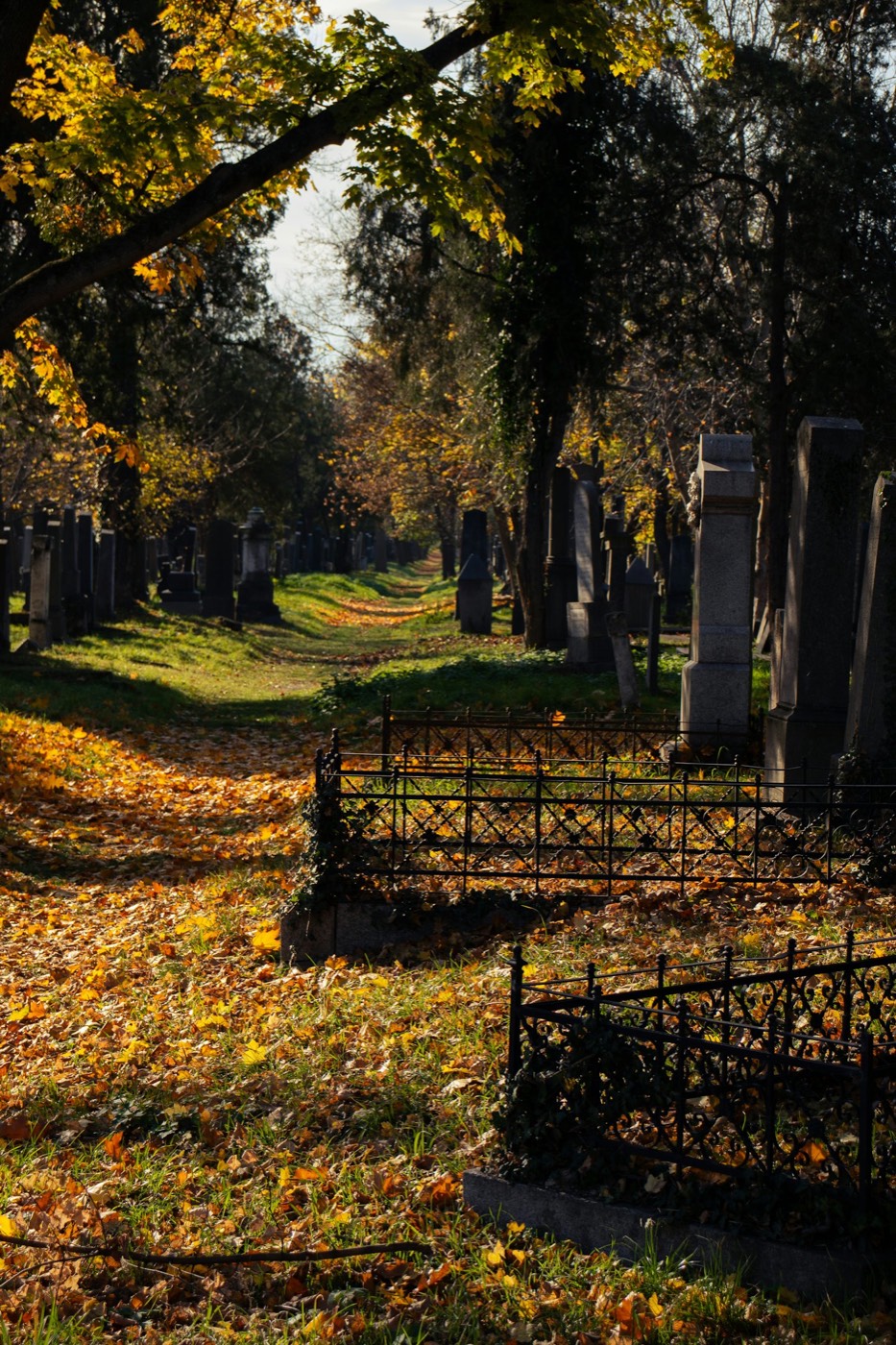
What happened at Heavenly Acres
Michigan Humane wrote in July 2026 that the operators of Heavenly Acres lost their lease in 2018, and that pet owners had very little time to remove their animals' remains. The organization says about 74,000 pets' remains were affected. It says years of litigation followed and ended in a settlement. We could not find the settlement terms, and we are not drawing conclusions about any person or business. The 74,000 figure comes from the organization's article, so please read it as their count.
The same article notes that Michigan's oldest pet cemetery, Happy Hunting Grounds in South Lyon, opened in 1936. People have been burying pets in Michigan for a long time, and the article's point is that the business has no state rules.
What Senate Bill 157 would do
According to Michigan Votes, the bill was introduced March 13, 2025, by Sen. Rosemary Bayer with six other senators as sponsors. It would create requirements for pet cemeteries on these topics:
- Land dedication, meaning land set aside for the cemetery.
- Endowed care funds, which are money set aside for long-term upkeep.
- Maintenance fees.
- Record keeping standards.
- Disposal options, with penalties for violations.
Michigan Votes gives only that short summary. We could not open the full bill text or the Legislature's own bill page (legislature.mi.gov did not load for us on November 27), so we cannot tell you the details, such as how large a fund must be or what happens to graves if a cemetery closes. Michigan Humane's article quotes the bill's rationale: it would "regulate an industry that is currently unregulated, giving unscrupulous or negligent actors the opportunity to prey upon a grieving pet owner."

Where the bill stands
- June 10, 2025: Passed the Senate 19 to 18, then referred to the House Committee on Regulatory Reform (Michigan Votes).
- June 25, 2026: The House Regulatory Reform Committee held a hearing, and Michigan Humane gave supporting testimony (Michigan Humane).
- Next: The House must pass it. If the House changes it, the Senate has to vote again, and then the governor decides. Michigan Humane wrote that the timing is uncertain because of summer recess and the fall elections.
Michigan Votes' page lists nothing after June 10, 2025, so it appears to lag behind the hearing Michigan Humane describes. We found no report of a House vote in the sources we opened. The Senate margin was one vote. We did not find published arguments against the bill in what we read, so we cannot say what opponents want changed.
What this means if your pet is buried in a cemetery
Whether or not the bill passes, the gap it describes is real for any buyer: a plot is a long promise, and the paperwork is what backs it. This is not legal advice, and what applies to you depends on your state. The topics in the bill suggest three questions worth asking, in writing if you can.
- Who owns the land, and is any of it leased? The Heavenly Acres case turned on a lost lease.
- Is there a fund for long-term care, and who holds it? Ask what happens to the graves if the business closes.
- What records do they keep, and can you get a copy? Ask for your plot number, location, and contract.
Then keep your own copies. A photo of the marker, a map of the spot, and the contract in a folder at home all help if something changes. If you are weighing home burial instead, our guide on whether you can bury a dog in your backyard covers the rules to check. For any pet service, getting a price in writing is a good habit.

If you live in Michigan
You can look up Senate Bill 157 on Michigan Votes or the Legislature's website and see the current status. Michigan Humane's article is the source we found for how to follow it. Other states may handle this differently, and we did not survey them, so we cannot say how many states oversee pet cemeteries.
If you already have a pet buried in a cemetery, none of this changes where they are today. Some families like to keep a record of the place and the story together, and a free memorial page is a spot for the date, the location, and a few memories. If grief is heavy right now, our guide to free pet loss support lists people to talk to.
Sources
- Michigan Votes, 2025 Senate Bill 157, Pet Cemetery Regulation Act (opened November 27, 2026; latest action listed June 10, 2025)
- Michigan Humane, Regulating Pet Cemeteries in Michigan (July 2, 2026; opened November 27, 2026)
If this helped, you can pass it on to someone who is grieving.
Keep reading
- News · 2026-11-07
Pet Cremation Laws: Why Florida's Sevilla's Law Died Again
Florida's bill passed its first committee 5-0 and still died in Judiciary. Here is where Illinois, Maryland, Pennsylvania, and Florida stand, and what you can ask for in any state.
- News · 2026-11-05
Pennsylvania Pet Cremation Fraud: Guilty Plea, but the Bill Is Still Stuck
Investigators say nearly 6,500 pets were involved, and some owners were given ashes from other animals. The owner pleaded guilty, but Pennsylvania's pet cremation bill hasn't moved.
If you are thinking about harming yourself, call or text 988 in the US, any time.