Your sister texts to ask if you're going to post something about him. You open a blank note, type his name, and then sit there with the cursor blinking, because how do you fit fourteen years into a paragraph?
You don't have to fit all of it. A pet obituary only needs to say who they were, who loved them, and one or two things that made them unmistakably themselves. If you answer seven small questions below, you will have a rough first draft, and you can shape it from there. Three dog obituary examples and a short one for a cat follow, all written for this guide.
If you only write one sentence today: write down a habit only your family would recognize. That line usually becomes the heart of the whole obituary.

What a pet obituary usually includes
There is no official format, and nobody is grading it. Most pet obituaries touch on some of these:
- Their name, and the nicknames. "Biscuit, also known as Biscuit Boy, Mr. B, and Get Off The Counter."
- What kind of animal they were. Breed or mix, if you know it. "Some kind of terrier" is fine.
- How long you had them, and where they came from.
- Their personality, in a few honest words.
- What they loved and one habit that made you laugh.
- Who misses them, including other pets.
- A closing line spoken to them, or about them.
How they died is optional. Some people want to say it, and some would rather not. Both are fine.
Seven questions that turn into a first draft
Answer these in plain words, as if a friend asked you over coffee. Skip any that don't fit. Short answers are better than polished ones.
- 1. What did you call them? Their real name and every silly name that stuck.
- 2. How did they come into your life? A shelter, a box outside a grocery store, a neighbor's surprise litter.
- 3. What three words fit them? Try for true over flattering. "Stubborn, gentle, loud" says more than "the best boy."
- 4. What did they love? A spot, a person, a food, a sound.
- 5. What is one thing they did every single day? This is often the best line in the whole piece.
- 6. Who is missing them? People, and any animals who shared the house.
- 7. What do you want to tell them? One sentence. You can end on it.
These questions follow the same idea as the pet journal suggested by the Ohio State University Veterinary Medical Center, which encourages owners to write down how, when and where you met, unique personality traits, nicknames, what you love the most and what you'll miss the most.
Putting the answers in order
Once you have your answers, a simple shape works for almost any pet:
- Open with their name, how long they lived or how long you had them, and who they leave behind.
- Tell how they came to you, in one or two sentences.
- Show who they were with the three words and the daily habit.
- Close with what you want to tell them.
That's four short paragraphs, or one long one. Either is plenty.
Dog obituary examples
These three were written for this guide, and the dogs and families in them are made up. Borrow the shape, then replace every detail with your own. The details are what make it theirs.
For an old dog, after a long life
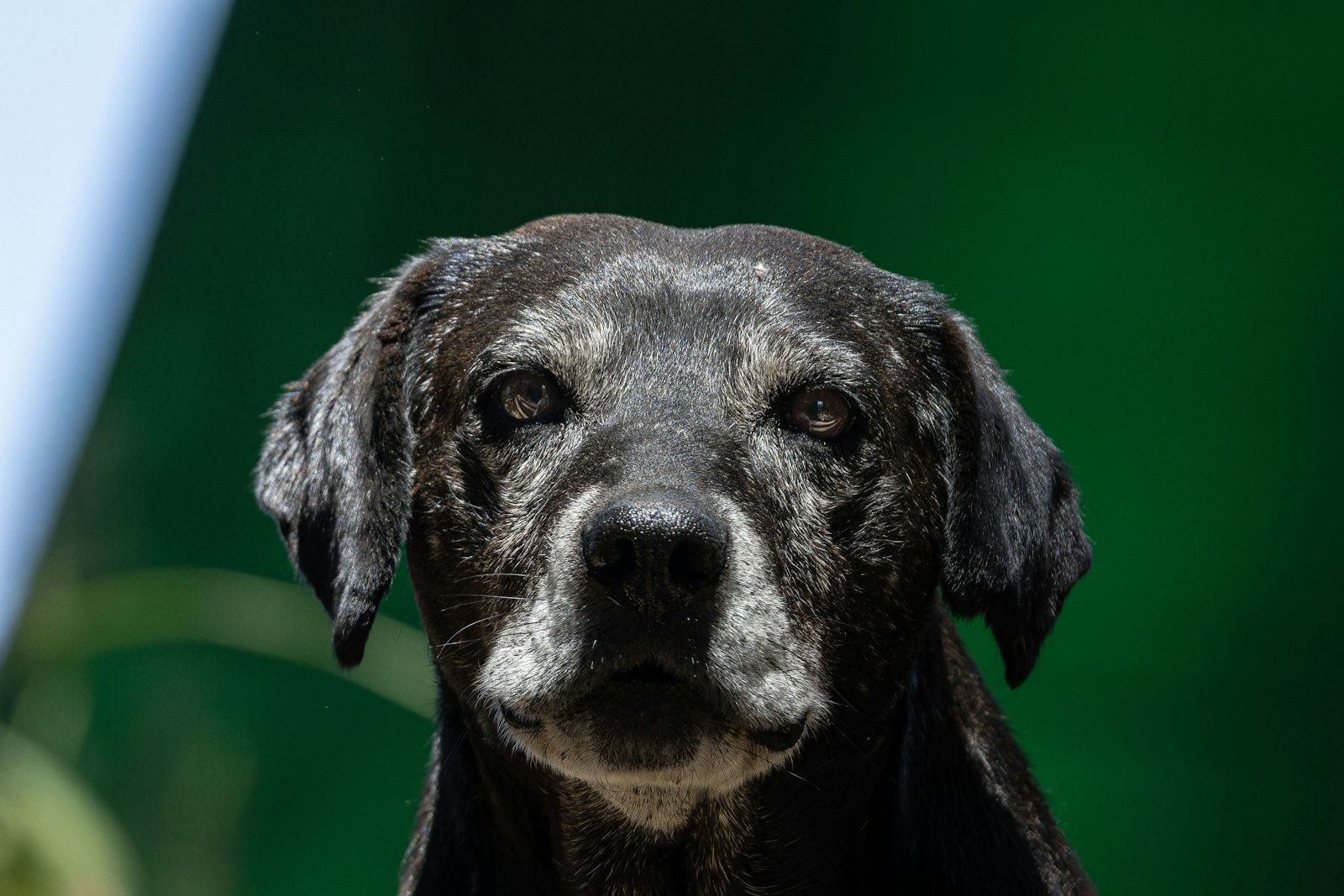
Juniper, our gray-faced shepherd mix, died at home on a Tuesday morning at fifteen, with her head on the rug she claimed the day we brought her home. She was patient, nosy, and deeply suspicious of the vacuum. For years she walked us to the end of the driveway every morning and waited there until the car turned the corner. Her last summer was slow, full of naps in the one sunny patch by the back door. She leaves behind the Ortiz family, a cat named Pickle who never admitted he liked her, and a very quiet driveway. Thank you for every morning, June. We will keep watching the corner for you.
For a sudden goodbye
We lost Rocket on Saturday. He was four, and none of us were ready. Rocket was a brown-and-white whirlwind of a beagle who believed every bag in the house was full of snacks and every guest had come to see him. He sang along to the smoke alarm test. He slept upside down. He made a quiet family much louder, and we loved him for it. To everyone who sent a message this week, thank you. We are not okay yet, but your words helped. Rocket, you should have had so many more years. We are grateful for the ones we got.
For a shelter dog
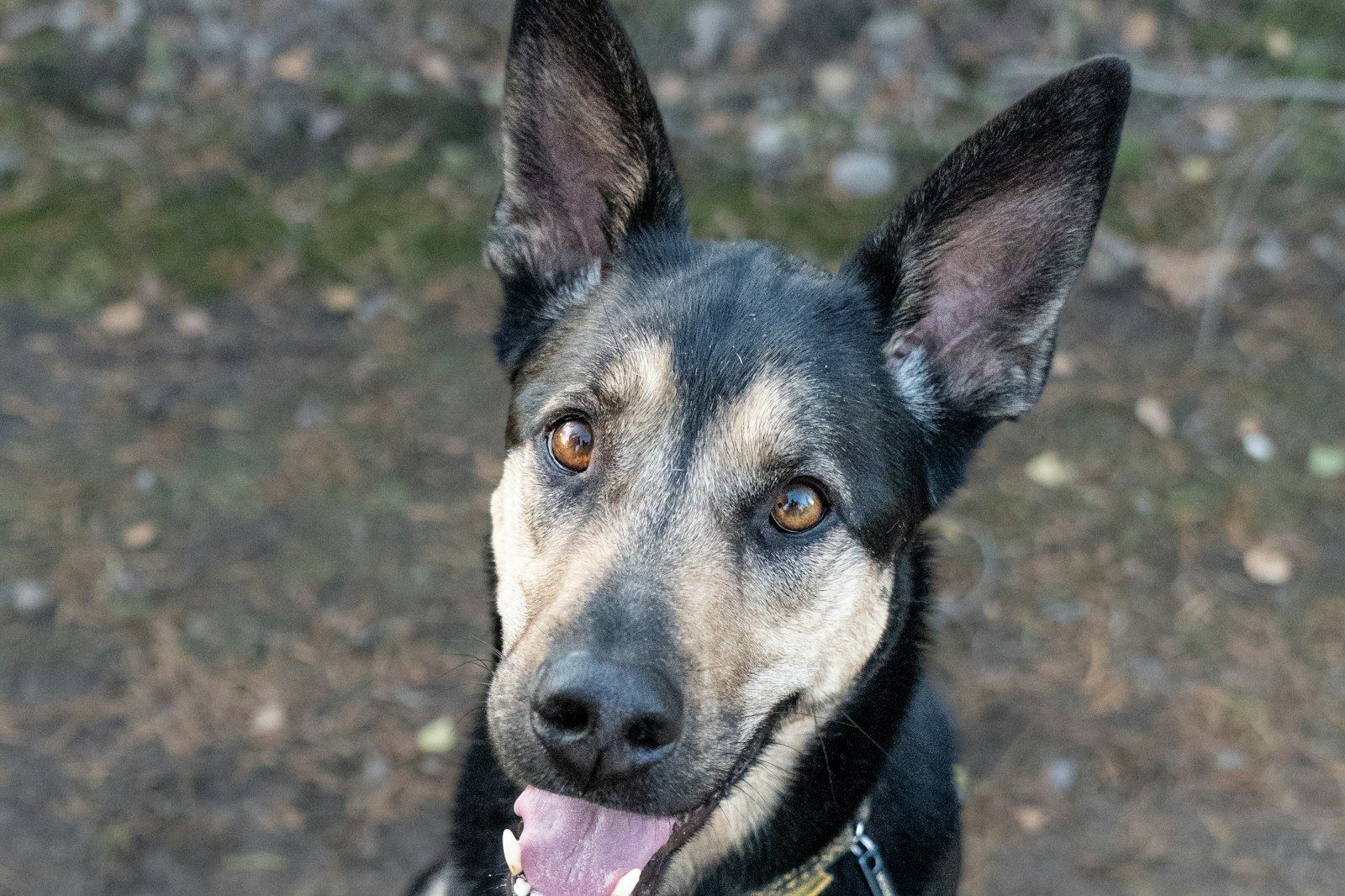
Moose spent his first two years in a kennel at the county shelter, where the card on his door said "shy, needs time." We gave him time, and he gave us nine years. He never did like loud trucks or men in hats, but he loved our daughter from the first afternoon and slept outside her door every night until she left for college. He learned to sit, to wait, and to steal socks without being caught. Moose died peacefully last week with all four of us around him. If you have ever thought about the quiet dog in the back kennel, Moose would want you to go and say hello.
A short example for a cat
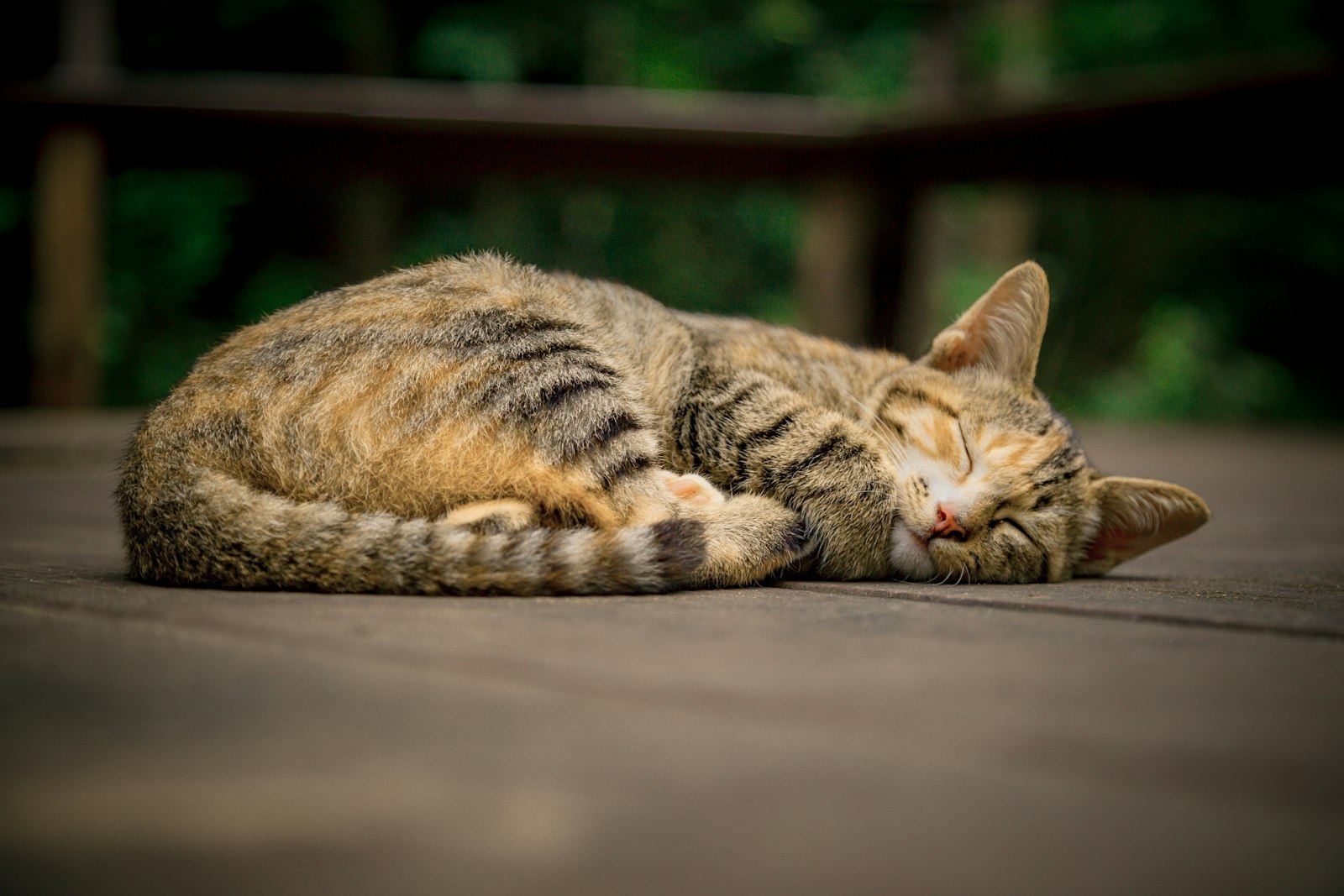
Clementine, 2009 to 2025. Orange, opinionated, and the true owner of the blue armchair. She woke us at 5:12 every morning for sixteen years and was never once late. She tolerated two moves, one baby, and a puppy, and outlasted all our houseplants. We will miss the weight of her on our feet at night. Rest easy, Clem. The chair is yours.
Short is not less loving. Some of the most moving obituaries are only a few lines.
How to make it sound like you
- Funny is allowed. If your dog ate a whole birthday cake once, that story may say more about the love in your house than any serious sentence.
- Use their real habits. "She liked walks" could be anyone's dog. "She stopped at every mailbox on Elm Street and none on Oak" could only be yours.
- Keep the hard parts if you want them. If you made the decision for euthanasia, you can say so, or not. The American Veterinary Medical Association notes that it is common and normal to feel doubt over whether you have made the best decision, whether a pet was euthanized or died from illness or injury.
- Read it out loud once. Anything that doesn't sound like you can go.
Where to share it
Many people send it in a family group text, post it with a favorite photo, or read it aloud at a small gathering. The AVMA notes that for some people a funeral or memorial gathering can be a deeply comforting and therapeutic way to honor a pet and share memories with others who knew them. If you'd like it in your local paper, call and ask whether they run pet notices and what they cost, since every paper sets its own rules.
If you would like help with the first draft, Porchlight's free obituary helper asks a few of the questions above and builds a draft as you type. You can change every word, and then add it to a free memorial with their photos, where friends and family can leave a message.
If the words won't come yet
That's all right. There is no deadline on this. Some people write a few lines a week later, some on the first anniversary, and some never post anything and keep a private note instead. If guilt is getting in the way, the Ohio State guide notes that some owners find it helpful to write an "apology letter" to their pet first, before anything for other people to read.
If the grief feels too heavy to carry alone, our guide to free pet loss support lists hotlines and groups, including some you can reach tonight. For other quiet things you can do, see free ways to honor your pet and our list of pet memorial ideas.
Whatever you end up writing, even one line, it will be enough. You knew them best.
If this helped, you can pass it on to someone who is grieving.
Keep reading
- 2026-11-02
Pet Loss Support: Free Help After Your Dog or Cat Dies
It's 2 a.m. and the house is too quiet. Free US pet loss hotlines and groups, and honest help with guilt, kids, and the pets left behind.
- 2026-11-03
House Too Quiet After Your Dog Died? Small Ways to Cope
You open the door after work and no one comes running. Gentle, practical steps for the mornings and evenings after losing a dog, at your own pace.
If you are thinking about harming yourself, call or text 988 in the US, any time.