You came downstairs before the alarm and the house was too still. He was on his bed by the back door, and when you said his name, his ears didn't move.
If your dog died at home and you don't know what to do next, here is the short version. Make sure he has really passed. Take a few minutes with him. Lay him on a blanket somewhere cool. Then call your vet, an emergency clinic if it's after hours, or a pet aftercare service. Nothing else has to be decided in the first hour, and you don't have to get any of it perfect.
If you are not sure he's gone, if he is still breathing even faintly or you see his chest move, call the nearest emergency veterinary clinic right now. Everything below can wait.

First, make sure
It sounds harsh, but checking gives your hands something to do while your mind catches up. Lap of Love, a national network of veterinarians who focus on end-of-life care, lists these signs that a pet has died:
- No breathing and no rise and fall of the chest
- No heartbeat
- Pupils that are fixed and don't respond
- A body that has gone loose, sometimes with a release of urine or stool
The same guide explains a few things that frighten people if no one warns them. The body starts to cool within one to two hours, and stiffness usually sets in within the first few hours. Small twitches can come from nerve activity, and air can escape from the body. Neither one means he is still alive. If you can't tell, your vet or an emergency clinic can confirm it for you.
Take a few minutes. That is allowed.
You don't have to start making calls the second you know. Sit on the floor with him. Stroke his ears. Say whatever you need to say, out loud or not. Lap of Love's guide makes this the first step for a reason: a few minutes to say goodbye matters, and holding or petting him now is fine.
If someone else lives with you, this is a good time to wake them or call them. Nobody should have to find out later that they missed this time with him.

Lay him on a blanket, somewhere cool
When you're ready, move him onto a blanket or towel. If he's curled the way he used to sleep, you can gently keep him that way, and you can close his eyes if they're open. An old towel underneath helps with any fluids, which are normal.
Then move him to the coolest spot in the house, away from heat vents, sunny windows, and a warm car. Lap of Love's veterinarians advise having the body buried or picked up for aftercare within 12 to 24 hours. In a cool climate you can keep him at home for up to a day. In warm weather it's less, and a wrapped ice pack near the body can help if pickup is delayed.
One writer who kept her old dog at home for a wake described bags of ice under a tarp with a blanket on top, in a cold garage, so the dog looked like she was sleeping. You don't need anything that elaborate. A cool room and a blanket are enough for the next few hours.
Who to call, even at 2 a.m.
You have three kinds of help, and any one of them can walk you through the rest.
- Your regular vet. If the office is open, start here. Many clinics can confirm the death, help move your dog, and arrange cremation or burial for you.
- An emergency vet clinic. If it's the middle of the night, the nearest 24-hour emergency clinic can answer questions and tell you what they offer.
- A pet aftercare service. Local aftercare services can help arrange transport, and some offer pickup from your home.
When you call, it helps to have a few questions ready:
- Can you pick him up, or should I bring him in? Until when?
- Do you offer private (individual) cremation and communal cremation? Which one returns the ashes?
- Can I get a paw print, a clipping of fur, or his collar back?
- Can you keep him for a day or two if I need time to decide?
Lap of Love's guide puts the cremation choice simply: choose individual cremation if you want the ashes returned. In a communal cremation, pets are cremated together.
If you want to know why he died
If his death was sudden, or if you worry about something he ate, ask your vet about a necropsy (an autopsy for animals) before you choose cremation. This matters most if you have other pets.
Keep the body cold but not frozen until you've decided. The University of Florida's veterinary diagnostic lab says refrigeration is generally preferred over freezing because freezing can create tissue artifacts. The same lab requires a history from a referring vet, and says animals sent for necropsy are not returned afterward. Remains go only to registered pet cremation services. Policies vary by lab, so ask about this before you decide if having his ashes back matters to you.

Burying him at home
Many people want their dog resting in the yard he patrolled for years. That can be a good choice, but it isn't legal everywhere. Lap of Love's guide says home burial is not legal in all areas and recommends checking with local authorities first. Your city or county office, or your vet, can usually tell you the rules. If you rent, or you might move, a pet cemetery or cremation lets you take him with you.
You don't have to decide today. With a cool spot and a call to your vet, you have time.
Should your other pets see him?
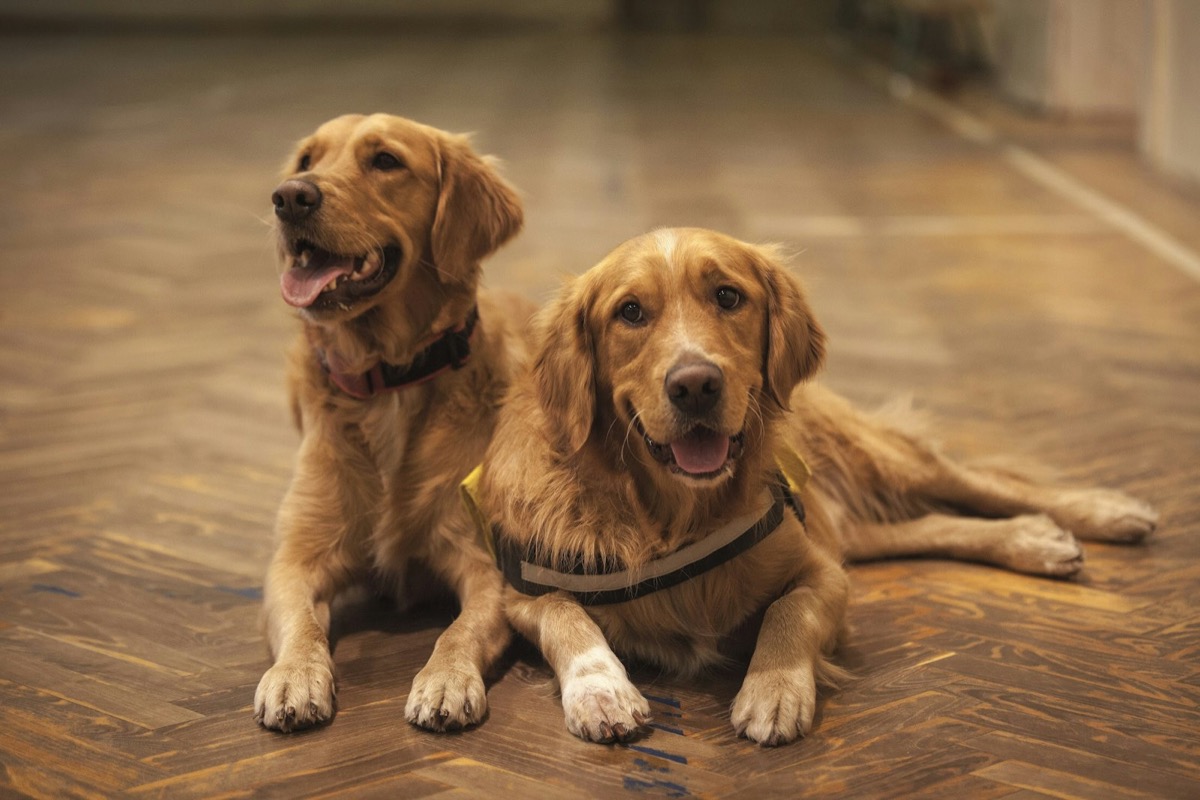
People are often told to let the other dog sniff the body "so he understands." The evidence is thinner than that advice suggests. In a 2022 study of 426 dog owners in Italy, published in Scientific Reports, owners reported that surviving dogs showed no difference in behavior whether or not they had seen the body. What did matter was how close the two dogs had been, and how much grief and anger their owners were carrying.
So let your other pets come near if they want to, and don't force it if they don't. Some sniff and leave. Some lie down nearby. The weeks ahead, with their routines and a little extra attention from you, will likely matter more than this one moment.

If you weren't there, or it wasn't peaceful
In public pet forums like Tripawds, ThriftyFun, and Mumsnet, people whose dog died at home keep coming back to the same two worries. If it happened overnight, they wish they had been awake, and they wonder whether he was scared or hurting. If they were there, the end was sometimes harder to watch than they expected. There might have been a cry, some struggling, or a loss of bladder control, and they wish they had rushed to an emergency clinic.
The kindest replies in those threads are worth hearing. He was home, in his own bed, near the people he knew. He was surrounded by love whether or not you were awake. Lap of Love's veterinarians say much the same: your pet's passing was not your fault, many pets die naturally and peacefully, and being in their normal surroundings brings comfort. If the guilt stays with you, our pet loss support guide lists free hotlines run by veterinary schools.
If you have another older pet, you may already be thinking about next time. That's a natural reaction. Talking with your vet early about comfort care and how to plan a goodbye can help. SILVERPAW's guide to end-of-life comfort care for dogs at home covers how hospice works.
If you feel numb or oddly calm right now, that is a common first reaction, not a sign you didn't love him.
A checklist for the first day
- Confirm he has passed, or call an emergency vet if you aren't sure.
- Spend a few minutes with him. Wake or call anyone in the house who would want to be there.
- Lay him on a blanket in the coolest room, with an old towel underneath.
- Call your vet, an emergency clinic, or a pet aftercare service.
- If you want to know the cause, ask about a necropsy before choosing cremation. Keep him cold but not frozen.
- If you're thinking of home burial, check your local rules first.
- Keep his collar, take a photo of his paw, or save a little fur, if you want them.
- Let your other pets come close if they choose.
- Eat something and drink water. Text one person who knew him.
Later, when you're ready
The next days have their own weight: the bowl, the bed, the walk you no longer take. Our guide to a house that's too quiet after your dog died has small steps for mornings and evenings. When the family is ready to gather, this simple memorial plan for home takes about 15 minutes. You can print the free program and follow along.
If you ever have thoughts of not wanting to live, call or text 988 at any hour, or call 911 if you are in immediate danger. The 988 Lifeline is free and confidential.
Whenever you're ready, you can create a memorial page for him and write down his name and the things only you knew about him. There's no rush.

If this helped, you can pass it on to someone who is grieving.
Keep reading
- 2026-11-06
When People Say "It's Just a Dog": What to Do and Say by Who Said It
Your sister says it was just a dog, and you carry your plate to the sink. Why people say it, and what helps with family, a coworker, or a friend.
- 2026-11-06
Guilt After Euthanizing a Dog: Why It Hits So Hard and What Helps
You said yes, and now the same tape plays at 2 a.m. Why guilt after euthanizing a dog shows up, what it is really asking, and what to do with it tonight.
If you are thinking about harming yourself, call or text 988 in the US, any time.