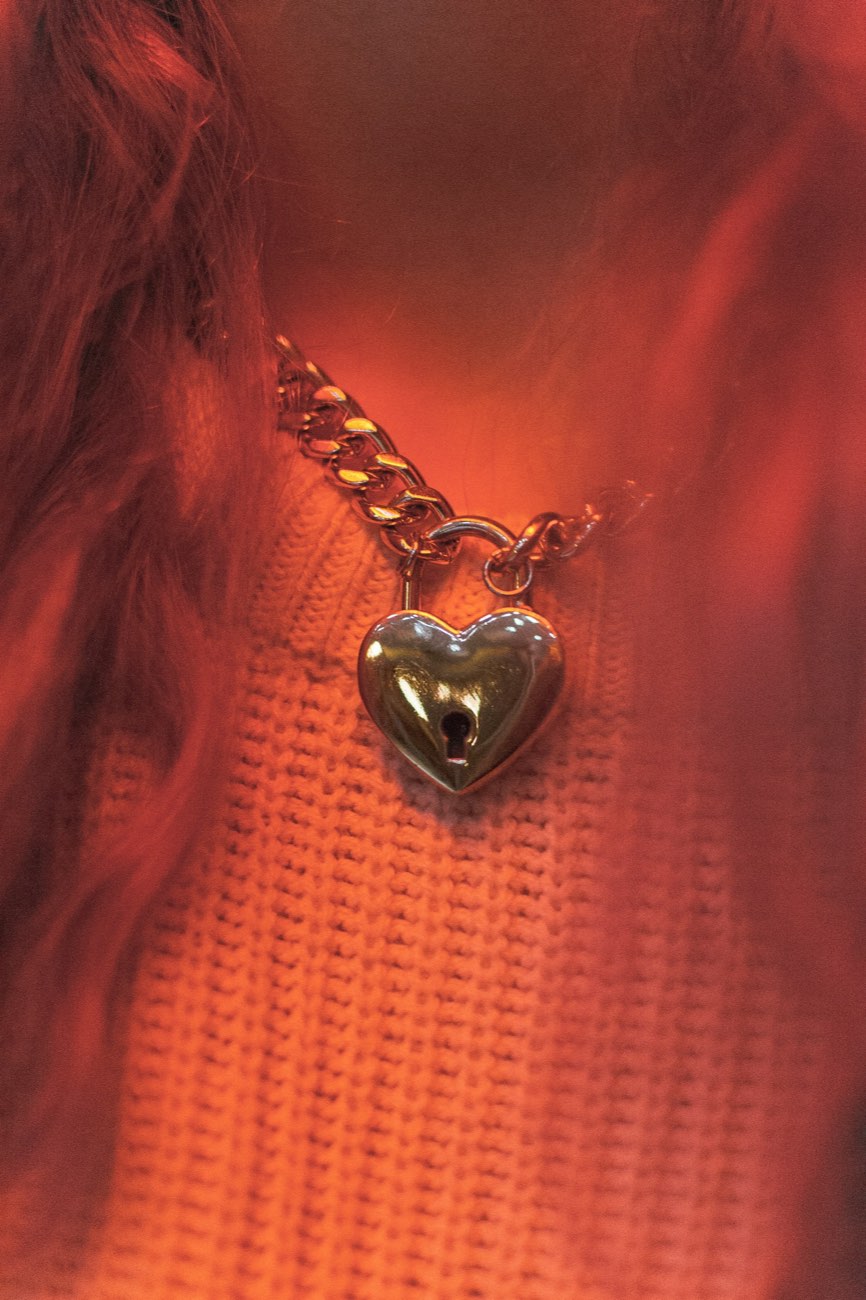
The pendant arrives in a small box with a card that says your dog is inside. You hold it up to the light and see a swirl of blue glass, maybe a few white specks, maybe nothing you can point to. You want to believe the card. You also have no way to check it.
That feeling has a basis. In Pennsylvania, a funeral director pleaded guilty in October 2026 in a pet cremation fraud case. According to investigators, he promised nearly 6,500 pets a proper burial, and a whistleblower alleged that some owners were given back ashes that weren't their pet's, CBS Pittsburgh reported. Memorial jewelry adds a second handoff on top of the crematory: your pet's ashes go to a maker, and something comes back. This guide explains what is actually in the different kinds of pieces, where the gaps are, and what to ask before you send anything.
In short: a fill-it-yourself pendant holds only what you put in it. Glass, resin and stone pieces use a small pinch, and nobody can test a finished piece to prove whose ashes are in it. So ask how much they need, how they label each order, and what happens to the rest.
What "ashes" really are
Cremated remains are mostly bone. Writing for McGill University's Office for Science and Society in 2022, Jonathan Jarry explained that cremation burns off water and living tissue and leaves the mineral part of bone, a calcium phosphate called hydroxyapatite. That mineral is what a jeweler works with, and only a small amount of it goes into a piece.
Four kinds of pieces, four different answers
- Urn pendants you fill yourself. A small hollow charm with a screw cap. What's inside is whatever you put in, which makes this the one type where you know the answer.
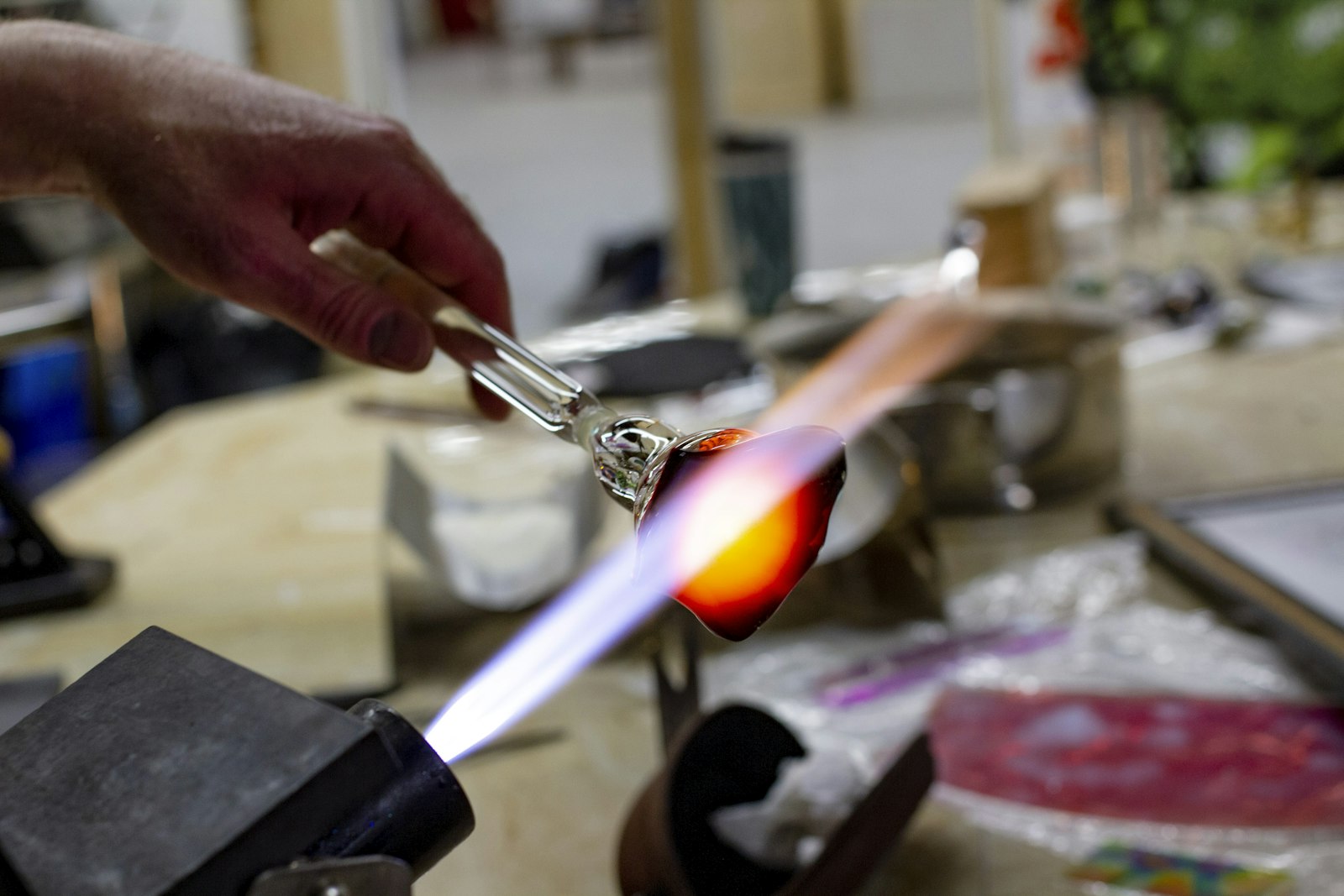
- Glass pieces. A funeral industry guide from Funeral.com explains that a small amount of remains, often a pinch, is folded into molten glass or layered inside it. The color comes from the glass. The ashes may show as tiny specks, or barely show at all.
- Resin and "stone" settings. Similar idea: a small amount of ash mixed into resin or set under a clear cap. How much and how visible depends on the maker.
- Memorial diamonds. The McGill article says there is no way the author knows of to tell a diamond grown from cremation ashes apart from another lab-grown diamond made from ordinary graphite. It also notes that some companies offer hair as a source of carbon instead (the article describes hair from the deceased or from living relatives).
Why nobody can test the finished piece
Lab tests can tell some things. After the Maryland case, where families received sand and concrete powder, a Loyola University Maryland forensic scientist used physical, light-based and elemental analysis on samples, and, as Forensic magazine reported, found they held no animal bone fragments, only building materials. Our article on Maryland's new pet cremation law covers what that state changed afterward.
What a test can't usually do is say whose bone it is. A UK DNA testing company, AlphaBiolabs, explains that DNA is usually destroyed by the heat of cremation. Put that next to the tiny amount used in a glass or resin piece, and the result is simple: the only proof is the maker's process. So choose a maker who can describe that process clearly.
Where the rest of the ashes go
The two studios we checked both ask for more than they use, and their policies on the leftover differ. One glass studio's FAQ, from Spirit Pieces, says it needs half a teaspoon or less per piece, double-labels each order's collection bags, and lets you choose whether leftover ashes are returned or scattered by the artist. Another, David Contreras Glass, says about an eighth of a teaspoon is usually enough for several pieces, holds the remainder for up to 90 days, and asks families to choose scattering or return shipping, with fees for return.
Neither policy is wrong. But if you assumed the rest would come back automatically, a 90-day window is the kind of detail you'd want to know before you mail anything.
The metal is regulated, the ashes are not
The Federal Trade Commission's Guides for the Jewelry, Precious Metals, and Pewter Industries, as revised in 2018, tell sellers how to describe metal and stones. Calling a plated piece "gold" without saying it is only surface-plated is flagged as deceptive, and the guides advise sellers to make clear that lab-grown stones are not mined. We searched the text for any mention of cremated remains or ashes and found none.
So a listing has to be honest about "sterling silver" or "gold plated," but nothing in those federal guides covers whether the ashes inside are your pet's or how much was used. In Pennsylvania, a bill written after the fraud case would make providers certify the remains they return, but our coverage of the Pennsylvania pet cremation fraud case explains why it is still stuck. Most of the safeguards still depend on you asking.
Questions to ask before you send ashes
- How much do you need, and how much goes into my piece?
- How do you label and store each order so it can't be mixed with another?
- Are ashes from different families ever processed at the same time, on the same bench?
- What happens to what you don't use? Is return included, and how long do you hold it?
- Will the ashes be visible? If not, what in the piece is ash and what is glass, resin or pigment?
- For diamonds: what share of the carbon comes from my pet, and what else is added?
- What is the metal, exactly: solid sterling, plated, or stainless steel?
- Can I get a written description of the process before I pay?
A maker who answers these plainly is giving you the only proof available. And you can skip the question entirely by keeping the ashes and filling a small pendant yourself.
What we think
The facts above come from the sources linked. This part is our opinion. Memorial jewelry can be a real comfort, and most makers are likely doing careful work. But the industry asks for a great deal of trust and offers very little you can check. Written policies on labeling, leftovers and materials should be the norm, not a nice extra. Until they are, a pendant you fill at your own kitchen table is the most transparent choice there is. For other ways to use the ashes, see what to do with dog ashes, and if you'd rather wear the memory on your skin, memorial tattoos for a dog covers that path. If your dog is still with you and you are planning ahead, SILVERPAW's guide to memorial keepsakes for a senior dog covers keeping a collar, a paw print or a favorite photo close.
If you want a keepsake
As an Amazon Associate, Porchlight earns from qualifying purchases.
You don't need to buy anything. If you'd like a piece you fill yourself, these are the kinds people look for. Read the metal and size details on each listing before you order.
- MANBU sterling silver pet urn necklace. The listing describes 925 sterling silver, a pendant about 16 mm across, an 18-inch chain with a 2-inch extender, and a funnel filler kit.
- POPLYKE paw print urn pendant. A 925 sterling silver pendant with a black paw print, according to the listing, which also says it can hold a little fur instead of ashes.
- Clear glass vial pendants. A set of 12 openable glass vial pendants made of glass, stainless steel and thermoplastic, with a funnel, per the listing. You can see what's inside, and they are easy to share with family.
Fill them on a tray or a sheet of paper, slowly, and ask someone to help if your hands aren't steady.

A place that's yours to fill
Alongside any piece you wear, you can also create a memorial page for your pet with a photo and a few lines. There's no question about what's inside that one. It's simply your words about them.
If this helped, you can pass it on to someone who is grieving.
Keep reading
- 2026-11-16
My Other Pet Is Grieving: Help for Cats, Dogs and Mixed Homes
The cat is calling from the hallway where her sister used to sleep. What researchers found in grieving cats and dogs, why a cat who stops eating needs a vet fast, and small steps for the first two weeks.
- 2026-11-14
Pet Loss Therapists Are Hard to Find: Why the Gap Exists
You type 'pet loss therapist near me' and wonder what you are even looking for. What we could verify about who is trained for this, what we couldn't, and questions to ask a counselor.
If you are thinking about harming yourself, call or text 988 in the US, any time.