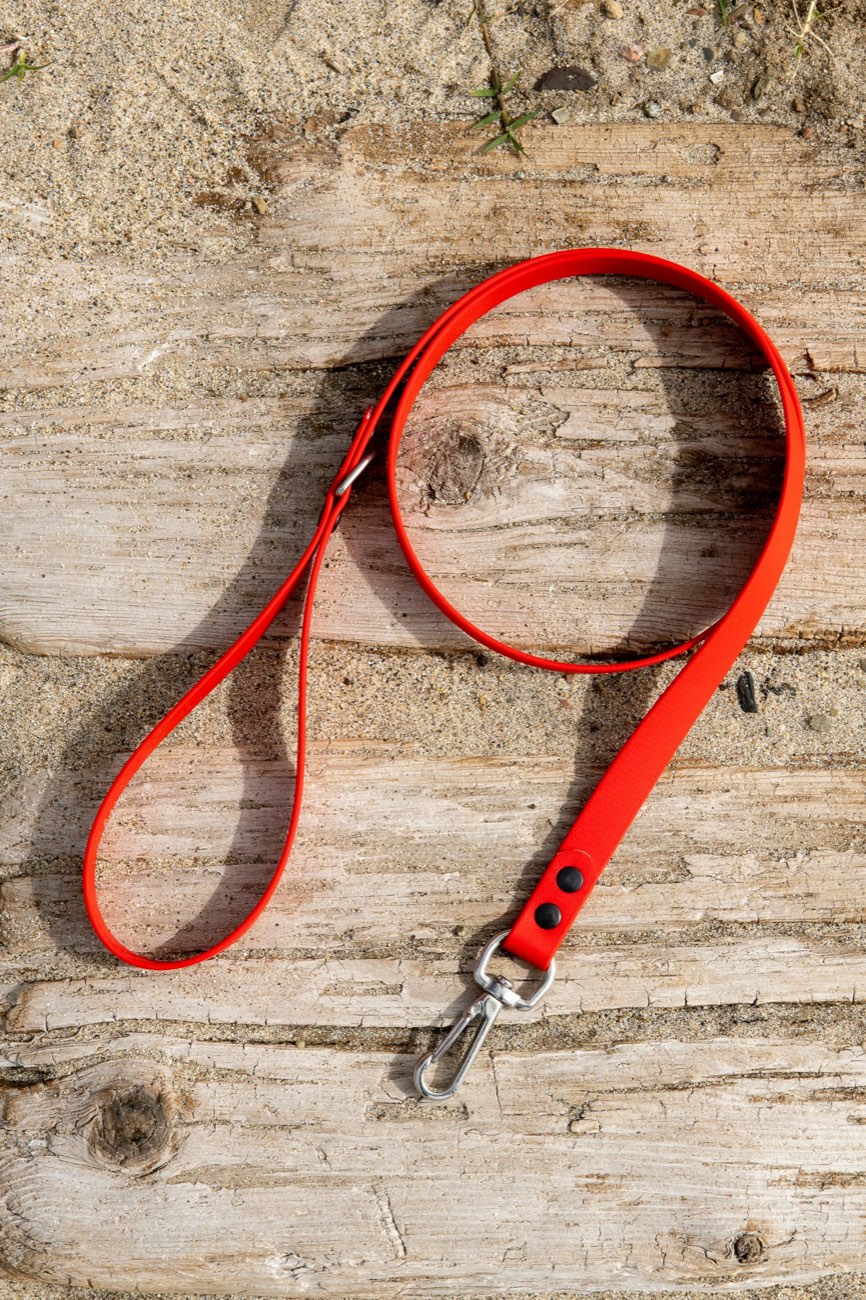
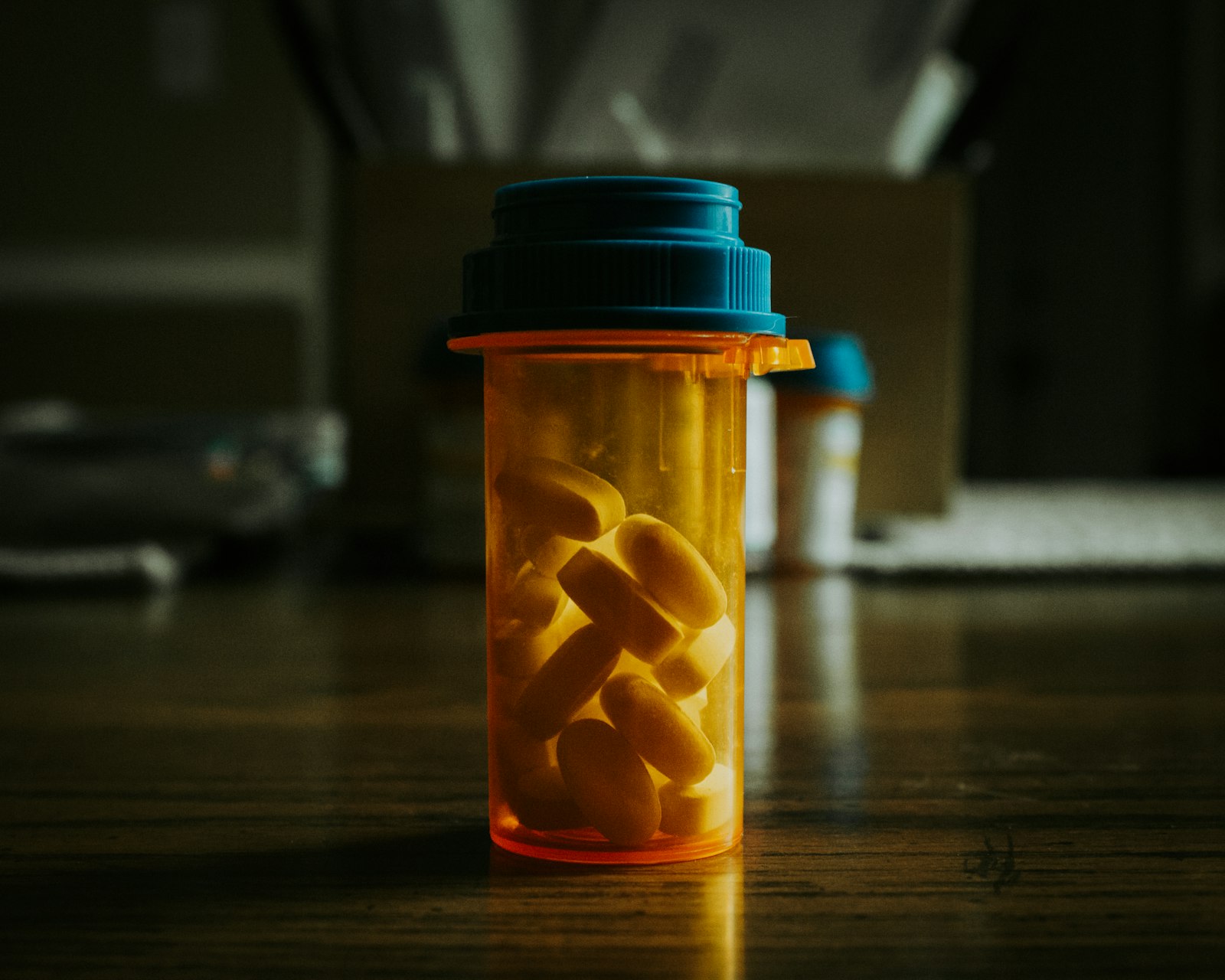
There's a bag of pills on the kitchen counter that nobody will give tonight, and you keep walking past it. The leash is still on its hook by the door. The food bin is half full, and you can't decide whether to open it or never touch it again.
This page covers the practical part of what's left behind: leftover medication, open food and supplies, and the things you may not be ready to move. It is not medical or pharmacist advice. The medication steps below are taken from two official sources, and the rest is our own common-sense suggestions.
If you only have a minute: the pills are the only item with a clock on it, and the clock is about safety, not speed. The Illinois article calls a drug take-back program the preferred way, and the FDA lists it first. If you can't get to one, the household-trash method is to mix the medicine with something unappealing, such as used coffee grounds or cat litter, and seal it before throwing it away. Everything else can wait. Nobody is timing you on the leash, the bed or the bowl.
Start with the medication
The reason to deal with pills early is practical. A University of Illinois College of Veterinary Medicine article on safe disposal of pet medications says proper disposal "protects pets, people, and the environment," and ties it to preventing accidental ingestion. If you have another dog, a cat, or children in the house, a bag of leftover tablets on a low counter is the risk to remove. The article was written by a fourth-year pharmacy student at the University of Illinois-Chicago and posted on February 27, 2026 (University of Illinois College of Veterinary Medicine).
Until you've dealt with them, a plain suggestion from us: put every bottle into one box on a high shelf, away from other animals. Patches, needles and unusual forms such as sprays or lozenges can have their own disposal instructions, so check the FDA page or ask your pharmacist. The box is not from either source. It just keeps the problem small while you decide.
The order the official sources give
- Take-back first. The Illinois article calls drug take-back programs "the preferred way to dispose of unused or expired medications." The FDA's guidance for unused medicines also lists take-back first, either dropping the medicine at a take-back location or using a prepaid mail-back envelope (FDA, current as of October 31, 2024).
- Finding a location. The Illinois article gives the DEA information line, 1-800-882-9539, and points to the DEA's year-round location search and its semiannual Take Back Day. The FDA page says the DEA site can find a location near you by zip code.
- Other mail-back options. The Illinois article also mentions prepaid mail-back envelopes from pharmacies and DisposeRx packets, which form a gel when mixed with water.
- No take-back nearby. For medicines not on the FDA flush list, the FDA says to mix them with "an unappealing substance such as dirt, cat litter, or used coffee grounds," put the mixture in a sealed plastic bag, and throw it away. The Illinois article says much the same: mix with used coffee grounds or cat litter, seal it in a sturdy container, and put it in the household trash.
- Labels. The FDA says to scratch out personal information on the prescription label of the empty packaging. A pet's label usually carries your name and address.
The flush list, and why not to guess
Flushing is not the general answer. The FDA describes it as the route for medicines that appear on its flush list, and the Illinois article says the FDA recommends flushing those high-risk medications only "if take-back options are not available." Its examples are buprenorphine, fentanyl, hydrocodone, morphine, oxycodone and diazepam.
If a bottle in your box is on that list, or you aren't sure, check the FDA page above or ask the pharmacy that filled it. We can't tell you what is in your particular bottle, and this page can't replace a pharmacist.
Will the vet or a shelter take what's left?
We could not find a source that says whether veterinary clinics in general accept returned medication, or what shelters will accept as a donation, so we won't promise either. It varies, and the only way to know is to call. Two questions are enough:
- "Do you take back unused pet medication for disposal?" (Ask the clinic or the pharmacy that filled it.)
- "Do you accept unopened or opened food, medication, or supplies, and is there anything you can't take?" (Ask a shelter or rescue before you drive over.)
If the answer is no, you haven't failed anything. Go back to the take-back or trash steps above. A phone call can also be the first call you make that isn't about the loss, and it may be an easier place to start.
Food, treats and supplies
Open food is the one item where we'd suggest not rushing in either direction. Throwing it out the first morning can feel like erasing something. Keeping a bin you can't look at can sting every time you pass it.
- Sealed bags and cans. These are the easiest to give away. Call a shelter, rescue, or a neighbor with a dog first, and ask what they can use.
- Opened food. If you have another dog, check the label before offering it. A different dog may not suit a senior or prescription formula. That's a question for your vet.
- Prescription diets. Ask the clinic you bought them from whether they have a policy on returns or donation. We don't know if they do.
- Auto-ship orders. Cancel any recurring delivery of food or medication when you can. The next box showing up is a harder moment than the phone call to stop it.
The things that can wait
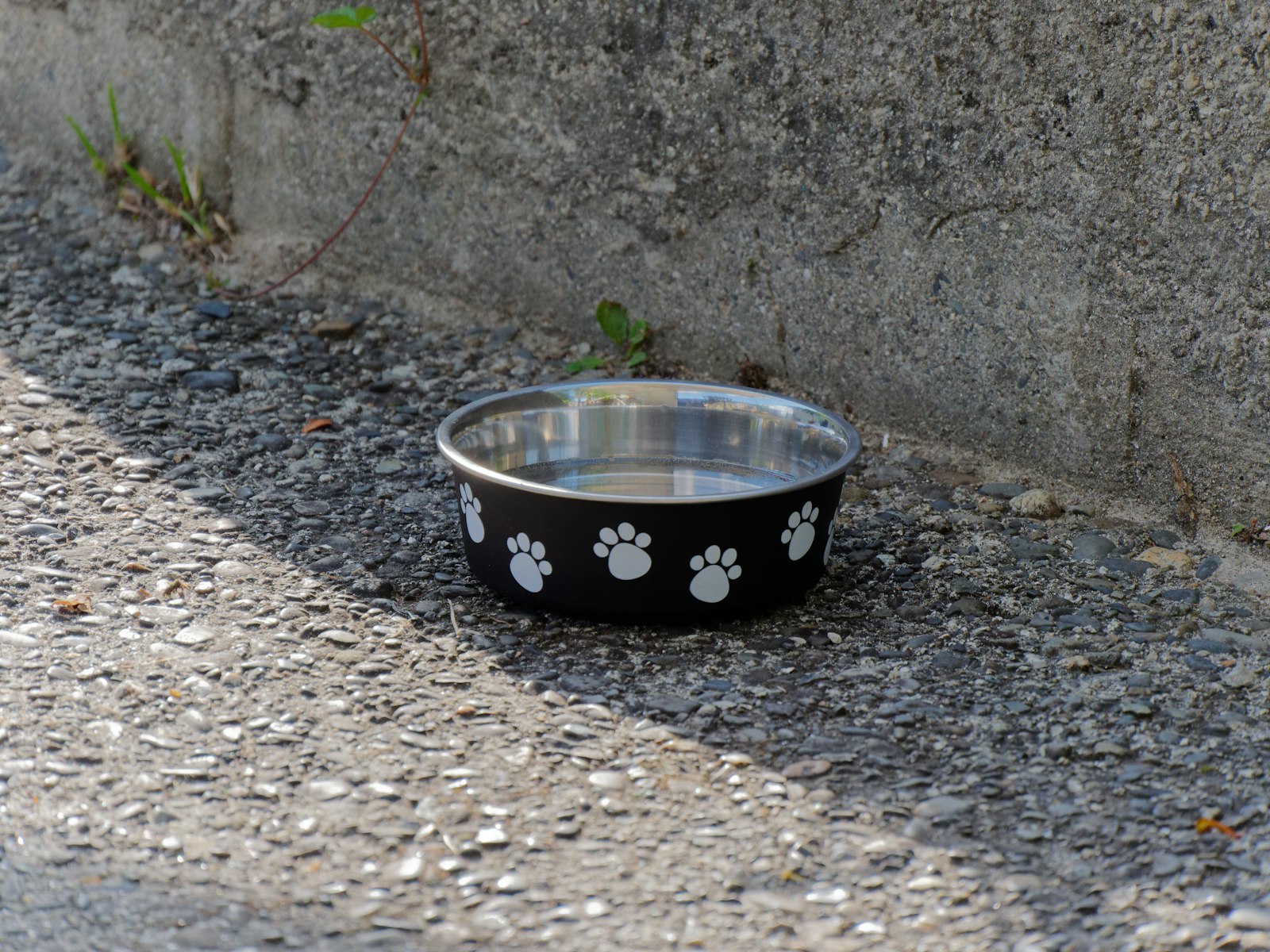
The collar, the leash, the bed, the blanket that smells like your dog: none of these has a safety clock. You can leave them where they are for as long as you need. You can also pack them into a box the first day if seeing them is too much. Either is fine, and nothing says you must choose once.
A simple way to sort them when you're ready:
- Keep. The tag, the collar, one toy, the blanket. A small box with a lid holds them all.
- Maybe. Put anything you can't decide on in a bag, write the date on it, and put it in a closet. Look again in a month.
- Pass on. Unused leashes, bowls, crates and beds can go to a shelter or rescue, once you've asked what they take. We haven't found a rule about what they accept, so call first.
If your house feels unbearably quiet when you're done, our piece on the quiet house after losing a dog is about exactly that. If you have another pet who keeps looking for them, when your other pet is grieving is a gentler place to start.
If you want something to do with what you keep
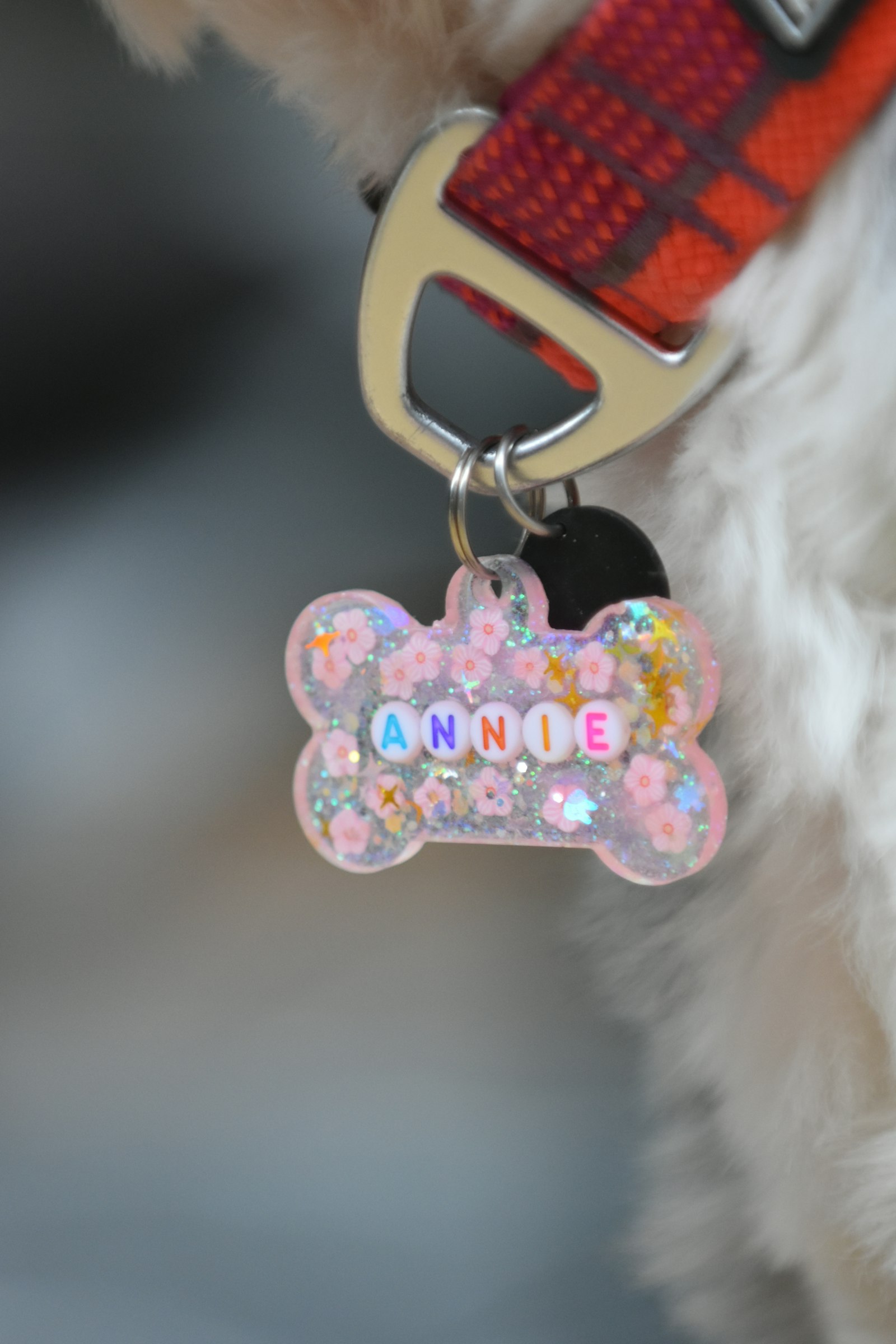
Keeping a collar or a tag is its own kind of memorial. If you want ideas that cost little, see free ways to honor your pet. If your dog was a senior, SILVERPAW has a keepsake guide written for older dogs. Ashes are a separate question, and what to do with dog ashes takes it step by step.
When you're ready
When you feel like writing something down, you can create a memorial page for your dog, free and without ads. A name, a photo, the spot by the door where the leash hangs. It can be one line, and it can wait.
If this helped, you can pass it on to someone who is grieving.
Keep reading
- 2026-11-25
Can't Stop Crying After Your Pet Died? What Helps in the Moment
What veterinary sources say about crying after a pet dies, ideas for when it hits at work or the table, and signs it is worth telling someone.
- 2026-11-24
What Happens in a Pet Loss Support Group? What to Expect the First Time
You've read the link three times and haven't clicked join. What a pet loss group asks of you, whether you have to speak, and who it may not suit.
If you are thinking about harming yourself, call or text 988 in the US, any time.