It is seven in the evening, and there is no one to say "I'm home" to. Your phone is full of people you could call, and none of them is the one you want to tell about your day.
This kind of loneliness is common after a dog dies, and it is bigger than missing a pet. A dog is often the person-shaped part of a day: the greeting at the door, the reason to go outside, the one who is in the room when you talk to yourself. When that is gone, the quiet can feel like a second loss. This guide explains why it hits so hard, what research says about people who live alone, and a few small ways to be less alone with it.
If you only have a minute: feeling lonely after losing a dog is a recognized part of pet grief, not a sign you are doing it wrong. It can be especially strong for people who live alone, because the dog was a daily source of company and contact with others. Tell one person the plain truth today, or sit in a free chat room with people who understand. If you ever feel you can't go on, call or text 988 at any hour.

Why the quiet feels bigger than the loss
Researchers at the University of Alberta in Canada interviewed older women who lived alone and whose companion animal had died the year before. The study, published in 2021 in BMC Geriatrics, is small: 12 women completed questionnaires and 9 of them were interviewed, in 2020, all aged 55 or older. Even so, what they described explains a lot. The women said the animal had been steady company in the house, and several described the walks that used to bring them into contact with neighbors and other dog owners, a contact that disappeared along with the dog. One participant said that for people on their own, it makes a big difference not to be "coming home to dead air."
Most of those women rated their grief at the top of the scale at first, and some still rated it around 6 out of 10 a year or more later. The authors argue that this grief deserves to be acknowledged, because it affects well-being and the ability to keep living independently at home. You can read the full paper on PubMed Central.
A 1994 study of 88 people who had lost a pet (the abstract does not name the country) found that living alone was among the factors linked to higher grief scores, along with how strongly attached people were and whether the death was sudden (Archer and Winchester, British Journal of Psychology). It is an old, small sample, so we mention it as a pointer and not a rule.
There is a related finding from the other direction. A Florida State University study of adults age 50 and older, using U.S. data and published in 2019 in The Gerontologist, looked at people who lost a spouse. The researchers reported that those who had a dog or cat at the time were no lonelier than older adults who had not lost a spouse, while those without a pet felt lonelier. That study was about spouse loss and did not look at what happens when the pet dies. Our own reading is that if a dog is part of what holds loneliness back, losing the dog takes that away, which would fit what many people describe afterward.

Not being understood adds to it
For many people the hardest part is having no one to say it to. The RSPCA, a UK animal charity, runs an annual Pet Grief Survey and reports results on its website (page opened November 19, 2026, crediting the 2026 survey). More than 4,000 people have taken part across more than one year, and it is a self-selected online survey from a charity, not a random sample, so read the numbers as a picture of people who chose to answer. Among respondents:
- 72.6% reported a loss of daily routine or sense of purpose.
- 54.6% said they felt loneliness.
- 56.4% reported withdrawing from social interaction.
- Only 13.4% felt their grief was fully understood by others.
- 56.7% were unable to find the support they needed.
A Canadian study of 98 mostly older, mostly female pet owners recruited through social media found something similar: one-third said they had to be careful about who they told, because they weren't sure they would be supported (Brown and colleagues, Human-Animal Interactions, 2023). The women in the Alberta interviews described the same thing: choosing a few people they trusted to tell, and avoiding those who might be dismissive.
If someone has already said "it was just a dog" to you, our guide on what to do and say by who said it goes through it. The loneliness is not a sign that you are too attached. It is a normal response to losing a relationship that organized your days.
Three small ways to be less alone
These are our suggestions, not treatment. Pick one. None of them has to fix anything.
- Say his name to one person a day. Not a big talk. A text will do: "I keep thinking about Biscuit today." Pick someone from the few you trust, as the women in the Alberta study did. Saying the name to a person who won't correct you is a form of company.
- Sit in a room with people who understand. The Association for Pet Loss and Bereavement says its trained volunteer Pet Loss Grief Specialists run free, scheduled, live sessions on an online group chat. The page (opened November 19, 2026) lists times in Eastern Time, with a Sunday afternoon session and several evenings a week, and says you sign up for a free account first. Check the live schedule on the page, because times change. It also lists a Facebook group for the hours the chat is closed.
- Greet one neighbor. The Alberta women said walks with their dog were how they met people. If you still walk the same route, a nod or a "good morning" to someone you used to pass with him is a small way to keep a thread. If you don't feel like walking yet, that is also fine.
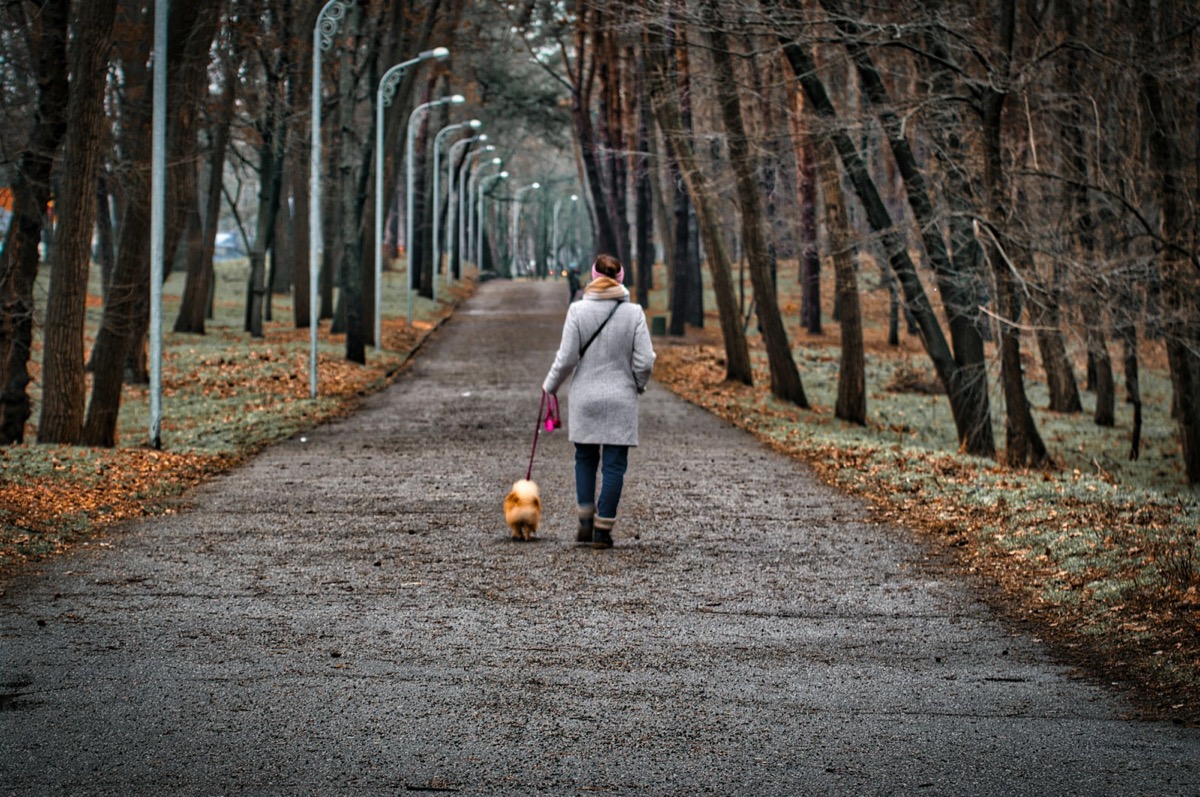
You are in company
The University of Florida's Small Animal Hospital, in its pet loss support resources, says the bond we share with our pets is a reminder that we are not alone in our grief, and that if you are struggling you are part of a community that understands. It lists guides on guilt, holidays, self-care and how to support someone who is grieving. If the holidays are the hard part this year, Thanksgiving without your pet is written for that table.
If your house has gone quiet in a way that is wearing you down, small ways to cope with a too-quiet house goes through the mornings and evenings. If you lost an old dog and want somewhere to put the love, SILVERPAW's guide to memorial keepsakes for a senior dog lists ways to remember them.

When it is more than loneliness
Loneliness is not a diagnosis, and this guide can't tell you whether what you feel is grief, depression or both. If the heaviness has stayed most of the day, nearly every day, for weeks, or you can't do the basics of your day, tell a doctor or counselor, and say it is pet loss. Our guide to depression after pet loss covers the signs worth mentioning and who to ask, and the pet loss support guide lists more places to talk.
If you ever feel you can't go on, or you think about not wanting to be here, you don't have to sort out whether it counts. Call or text 988, the Suicide and Crisis Lifeline, at any hour. It is free and confidential, and you don't need to have lost a person to use it. You can also chat at 988lifeline.org. If you or someone near you is in immediate danger, call 911.
One small thing for him
When you feel like it, you can create a memorial page for him, free and without ads. Write his name, what he did when you came home, and who he was to you. It is a place to say it, even when no one is in the room.

If this helped, you can pass it on to someone who is grieving.
Keep reading
- 2026-11-19
Does Pet Insurance Cover Euthanasia and Cremation? What Policies Say
At the front desk you wonder if years of premiums will cover any of today's bill. What four policy documents say about euthanasia and cremation, and what to ask your insurer.
- 2026-11-19
What to Give Someone Whose Pet Died: Gifts That Help, and When
You want to send something, but a card feels thin. What to give a friend whose pet died, from a free hour to a keepsake, and what to hold back.
If you are thinking about harming yourself, call or text 988 in the US, any time.