Someone taps a glass and says, "Let's go around and say what we're thankful for." Your turn is four chairs away, and you already know your voice won't hold.
If this is your first Thanksgiving since your dog or cat died, the day can feel built to find the sore spot. It is a holiday about food, family and saying thanks out loud, and your pet was part of all three. You may also be sitting with people who don't quite know what you lost. According to the RSPCA's annual Pet Grief Survey, a self-selected online survey by the UK animal welfare charity, 57.1% of grieving pet owners said they felt they had to hide their grief, and only 13.4% felt fully understood by others. The charity says more than 4,000 people have taken part in its annual surveys over two years, so treat the numbers as a signal, not a census. Still, if you are bracing to smile through dinner, plenty of people know that feeling.
This guide stays with Thursday, November 26, itself: the gratitude round, the kitchen, the comments over pie, and the evening after everyone leaves. For planning the whole season, including Christmas, see our guide to your first holiday without your dog.
If you only have a minute: you don't have to say you're thankful if you aren't feeling it. You can pass, keep it short, or say thanks for the years you had. If the day gets too heavy, the APLB chat room lists a Thursday evening session, and 988 answers calls and texts at any hour.
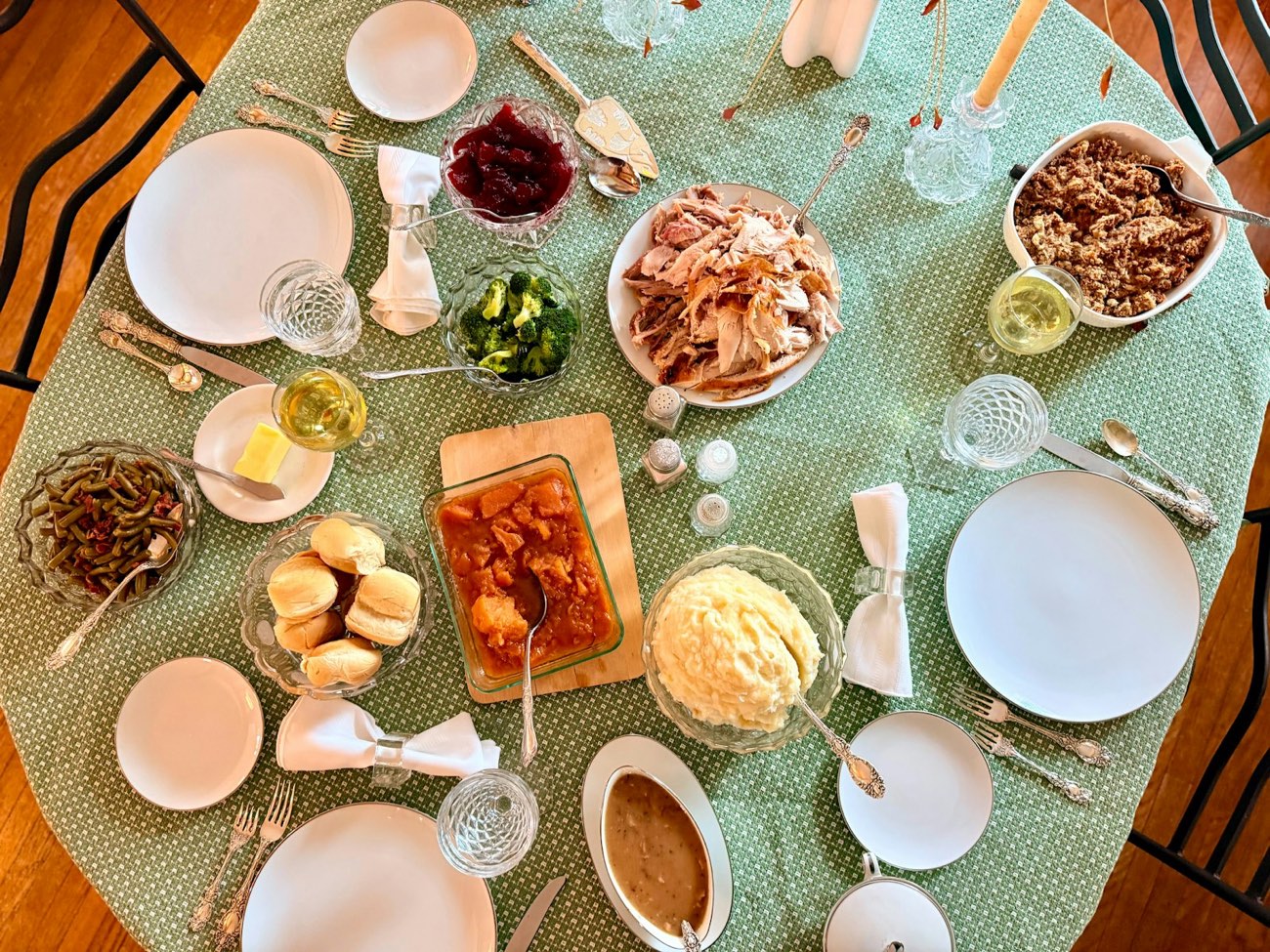
When it's your turn to say what you're thankful for
The gratitude round can be the hardest few minutes of the meal, because it asks for a public feeling on cue. Grief and gratitude can sit in the same chest, but they rarely arrive on schedule. In a 2016 article from NC State's veterinary college, veterinary social worker Jeannine Moga noted that grieving people's feelings can swing wildly from moment to moment, and that it is normal to feel empty or sad when everyone around you is full of joy.
A few honest answers that won't put the table on the spot:
- Thanks for the time: "I'm thankful I got eleven years with her."
- Thanks for the people: "I'm thankful for everyone here who checked on me this fall."
- Thanks for something small: "I'm thankful for the walk I took this morning. It's the first one I've enjoyed in a while."
- A pass: "I'm going to pass this year, but I'm glad to be here." Most tables will move right along.
If you'd rather not be caught off guard, tell whoever runs the round before dinner that you may pass. Then you only have to decide in the moment, not explain.
The small moments nobody else notices
The hardest parts of the day are often too small to mention. Augusta O'Reilly, a veterinary social worker at the Virginia-Maryland College of Veterinary Medicine, puts it this way: we forget how present pets are in the holidays, "from stealing bites of the holiday ham" to showing up in the family newsletter. On Thanksgiving, that can look like this:
- You carve the turkey and set a strip of skin aside on the counter, out of habit, for a dog who isn't coming to collect it.
- The doorbell rings and the house stays quiet.
- A dropped roll sits on the kitchen floor until someone picks it up.
- You scrape plates into the trash that used to go, a bite or two, into one bowl.
- A cat who always claimed the chair nearest the oven isn't there to be shooed off it.
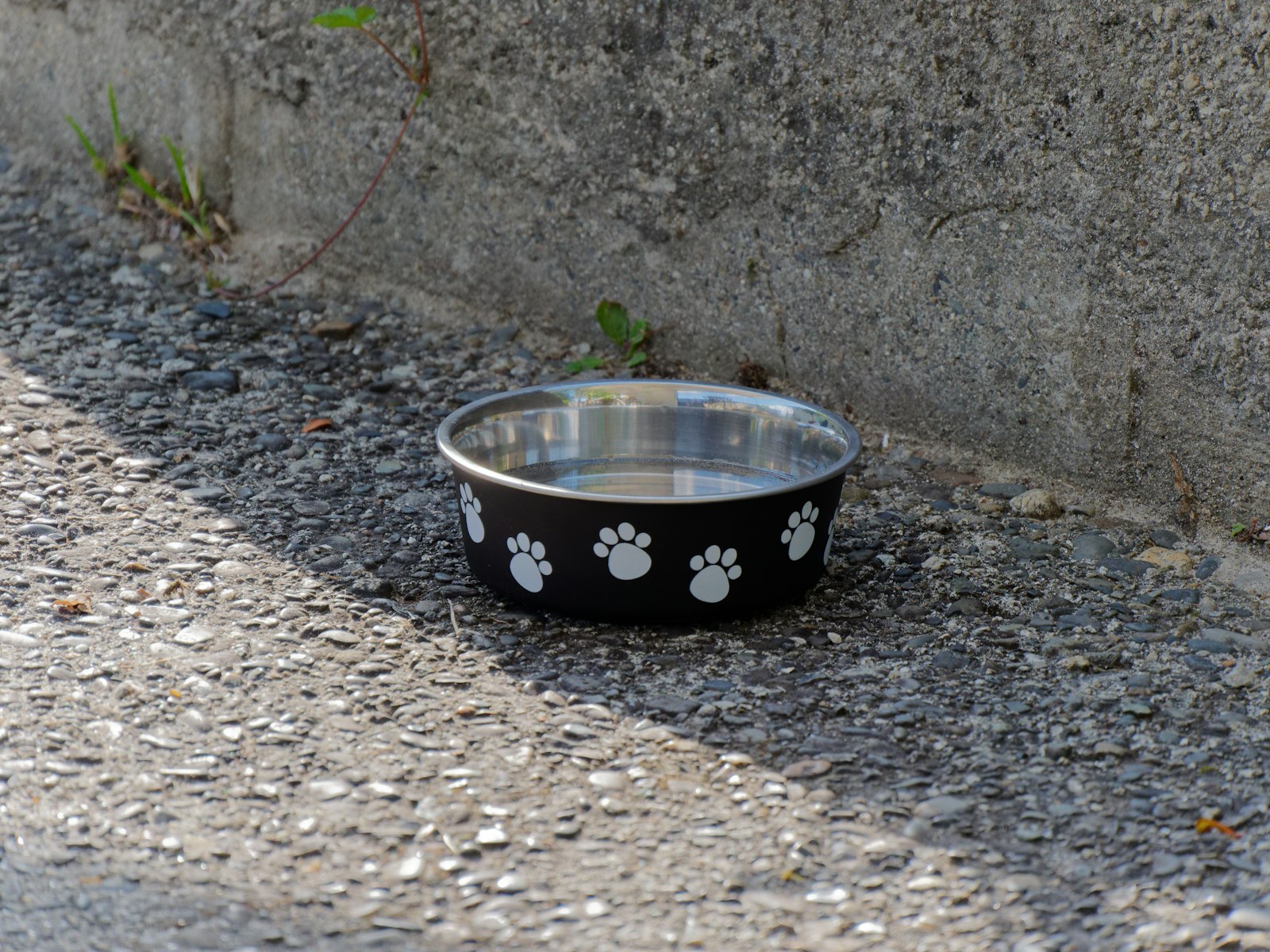
None of these moments needs a plan, but it helps to know they're coming. If you catch yourself setting something aside out of habit, you could put a small plate on the windowsill as their new portion, or just notice the habit and let it be. If a moment catches you, step out to the porch or the car for a few minutes. Moga suggests giving yourself an exit strategy when social contact becomes too much, and taking short "grief breaks" when you need them.
When last Thanksgiving was the last good one
For some people, the date carries more than the holiday. Maybe last Thanksgiving was the last time your dog begged at the table, or the weekend you first noticed something was wrong. Grief doesn't ask permission before it turns a holiday into an anniversary.
In an older thread on the Tripawds forums, a community for families of three-legged dogs and cats, one person wrote about raking leaves over Thanksgiving weekend and realizing that the same weekend a year earlier had been the beginning of the end: a short walk and a wobbly step that, looking back, was the first sign. Another member replied that a holiday walk the year before had been their first sign too, and that they kept wondering what they might have done differently. Both described how they felt in the same plain words: "not drowning, just sad." Someone else answered that they were all there to throw each other a lifeline if a sad day turned into a drowning one.
If the replay keeps landing on what you could have done, our guide to guilt after euthanizing a dog walks through the questions that guilt tends to ask, and why hindsight is so unfair to the person you were back then.
What relatives say over pie
Family gatherings bring a particular set of comments. "Are you going to get another one?" "Well, she had a good long life." "At least you still have the kids." Most of them are clumsy attempts at comfort, not judgments. You don't have to correct anyone. "Not yet, but thanks for asking" closes most of them. "She did, and I still miss her" works for the rest.
If a relative pushes a new puppy for Christmas, our guide to not being ready for a new dog has more replies and a few questions to ask yourself. If someone says the loss shouldn't matter, see when people say "it's just a dog".
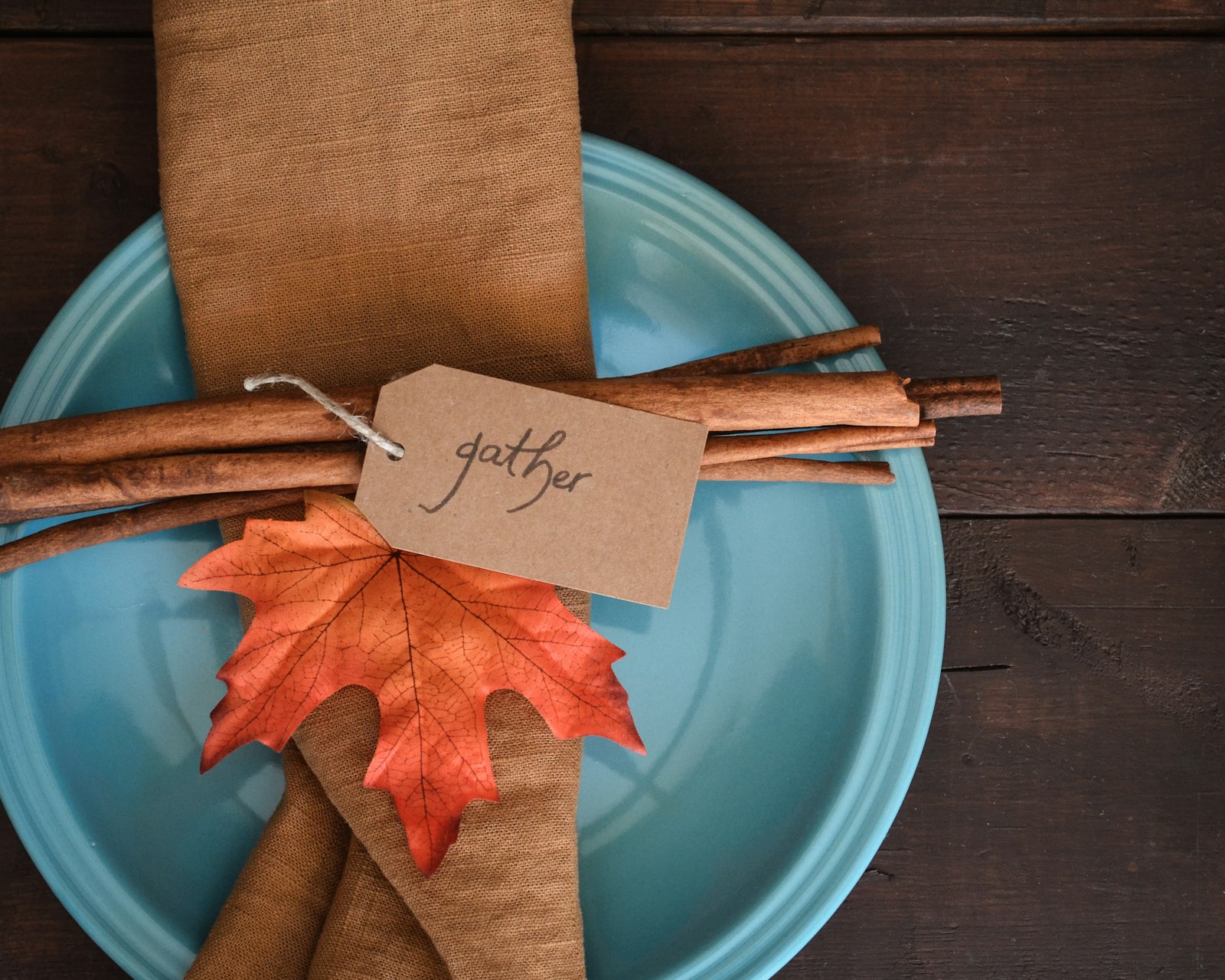
A thank-you letter to your dog this Thanksgiving
Some people find it easier to write a thank-you letter to their dog than to say thanks out loud at a crowded table. O'Reilly suggests writing to your pet about your year and what they have missed. Moga adds that bringing to mind the blessings of the human-animal bond can make it easier to find meaning during the holidays.

If a blank page feels like too much, start with three lines and fill in your own words:
- "Thank you for the way you…"
- "This year, you missed…"
- "Because of you, I…"
Read it to one person who loved them too, tuck it into the pocket of your coat, or keep it to yourself. There is no wrong way to use it.
Another kind of thanks is to give something away. O'Reilly suggests donating time or items to a local rescue or shelter in your pet's memory, and Moga mentions making a donation in a pet's honor. The Tuesday after Thanksgiving, which many nonprofits promote as Giving Tuesday, falls on December 1 this year. At least one person in a pet loss forum marked the day with a small donation in their pet's name. A bag of food left at a shelter's front desk counts just as much.
If Thanksgiving was just the two of you
Not everyone grieving this year is facing a crowded table. If your pet was your Thanksgiving, the quiet can be harder than any relative's comment. Moga cautions against isolating yourself, because connecting with people who know and love you is an important part of recovering from a major loss. That doesn't have to mean a big dinner. It can be one phone call, a neighbor's table for dessert, or a walk at the hour you used to walk together.
You can also be with people who understand. The Association for Pet Loss and Bereavement lists a free, scheduled chat room staffed by trained volunteers, and its schedule includes Thursday evenings from 8 to 10 p.m. Eastern. Thanksgiving falls on a Thursday, but check the page that week in case holiday hours change. In older Thanksgiving-week threads on the Tripawds boards, people who had lost their own animals came back to thank the community. One wrote that loss had brought most of them together, and they were grateful not to have been alone in it. Another said that continuing to post was a way to show their dog had mattered. For more options, our pet loss support guide lists free hotlines and groups.
If you have thoughts of not wanting to be here, even briefly, call or text 988 at any hour. You can also chat at 988lifeline.org. Call 911 if you are in immediate danger.
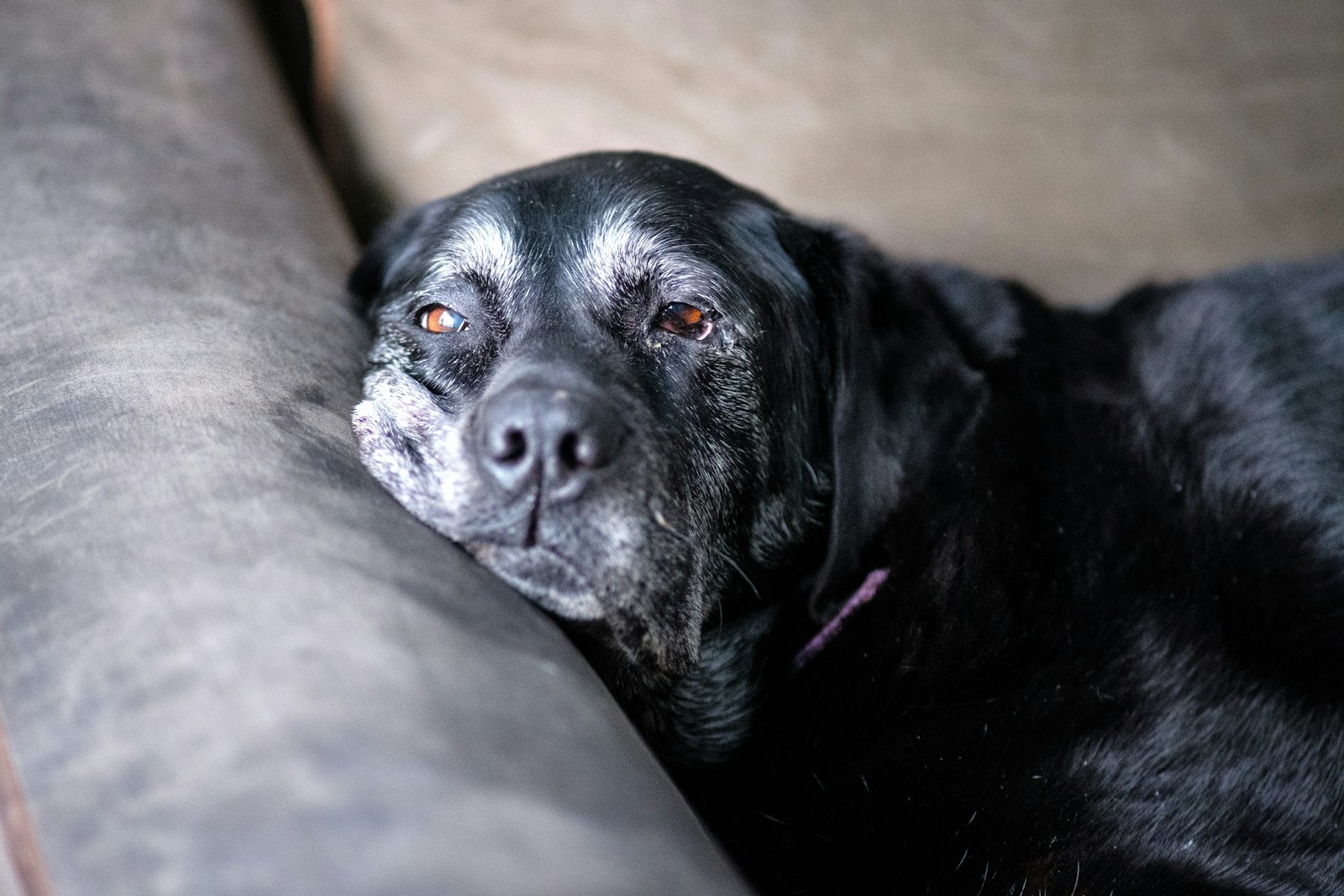
Grieving one pet while watching another slow down
Some readers are grieving one animal while watching another slow down. O'Reilly calls this anticipatory grief, the emotional response to an expected loss, and says it can show up as crying, worrying that your pet won't be here next year, or feeling pressure to make this holiday the perfect one. It doesn't have to be perfect. A quiet photo, a slow pet on the couch, and a small taste of plain turkey if your vet says it's fine are plenty.
If your older dog is nearing the end, SILVERPAW walks through end-of-life comfort care and hospice for dogs at home. Any change in breathing, eating or pain is a question for your veterinarian first.

After the guests go home
Thanksgiving night can be the loneliest stretch of the day, after the noise drains out of the house. If you wrote your three lines, this is a good time to read them once more. Then put them somewhere they can stay. You can create a memorial page and paste them in, and if you want company on Sunday, November 29, our Sunday lights come on at 8 p.m. Eastern.
If this helped, you can pass it on to someone who is grieving.
Keep reading
- 2026-11-16
Pet Memorial Jewelry: What Is Actually Inside the Pendant?
The card says your dog is inside the pendant, but you can't check. What cremated remains are, how much goes into a piece, where the leftover goes, and the questions to ask before you mail anything.
- 2026-11-16
My Other Pet Is Grieving: Help for Cats, Dogs and Mixed Homes
The cat is calling from the hallway where her sister used to sleep. What researchers found in grieving cats and dogs, why a cat who stops eating needs a vet fast, and small steps for the first two weeks.
If you are thinking about harming yourself, call or text 988 in the US, any time.