He ate breakfast, waited by the door, and was fine. A few hours later he was gone, and now you keep running the morning back, looking for the moment you should have seen something. There was no appointment to cancel, no last car ride, and no day you knew was the last one.
If your dog or cat died suddenly, this is for you. It covers why a death with no warning hits the way it does, what the research does and doesn't say about it, how to get answers from your vet if you want them, and how to say the goodbye you never got. It's written for dogs and cats alike, and for anyone who thinks of their pet as "he," "she" or "they."
If you only have a minute: a sudden death is its own kind of loss, and a loop of "what if" is common after one. Ask your vet if you want to know the cause, and write down what you did that day as facts only. Say goodbye on paper or out loud, and talk to someone tonight. If you ever feel like hurting yourself, in the US call or text 988.

Why a death with no warning feels different
When a pet is sick for a while, many people get time to prepare, even if they don't use it well. A sudden death takes that away. One morning there is a living animal in the kitchen, and by evening there is a body, a vet bill or a phone call, and a house that still smells like him.
Researchers noticed this long ago. In a 1994 study in the British Journal of Psychology, 88 people answered a 40-item questionnaire about grief after a pet's death. Total scores were significantly correlated with how sudden the death was, and also with feeling closer to the pet and with living alone. The same abstract says initial numbness or disbelief, preoccupation with the loss, and feeling drawn to reminders were each endorsed by half to four-fifths of the group (Archer and Winchester abstract, read through Europe PMC on November 22, 2026). It is a small, old study, so treat it as a pattern and not a prediction.
A newer one complicates the picture in a useful way. Texas A&M University reported in March 2026 on a Dog Aging Project analysis of owners' written answers about the end of their dogs' lives. Owners whose dogs were euthanized and owners whose dogs died without euthanasia described grief, guilt and blame at similar rates. The researcher quoted said he had expected the unassisted deaths to bring harder feelings, because owners had no time to prepare, and the data did not show that. The university summary does not give a sample size, and it compares two groups, not sudden and expected deaths specifically (Texas A&M news story, opened November 22, 2026). What you can take from it: guilt and "should have" thoughts show up after many kinds of endings, so having them doesn't mean you failed.
The replay, and what to do with it
After a sudden death, the mind goes back over the last day like a detective. He skipped a few bites of dinner. He seemed tired on the walk. He was lying in a different spot. Looking back, ordinary things turn into clues. At the time they were just a Tuesday. This is our observation, not a research finding, but it is worth saying plainly: you were reading a normal day, and the day only looks different now that you know how it ended.
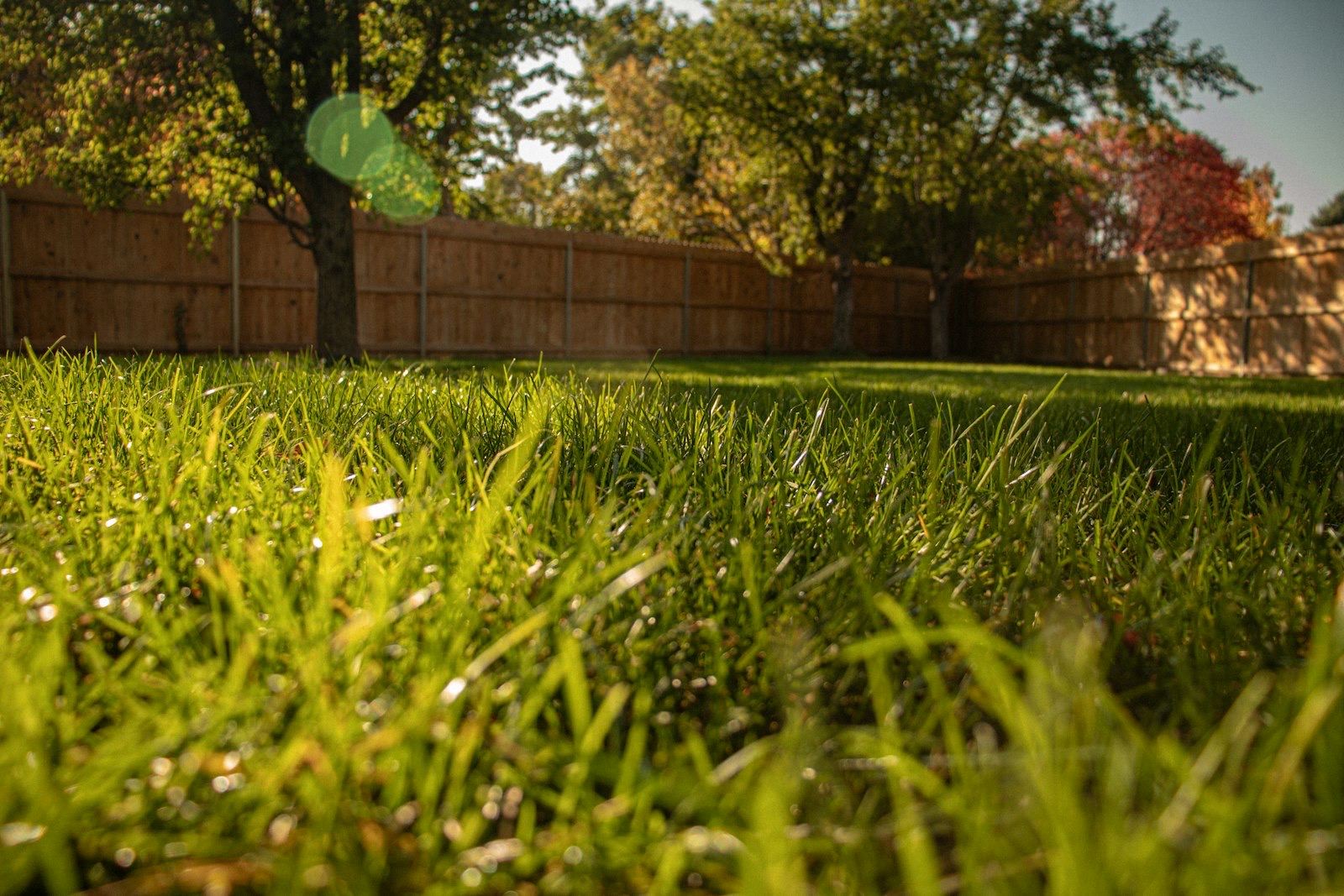
Some ways to keep the replay from running all night:
- Write the day down once, as facts. Times, what he ate, what you saw, who you called. Leave out "I should have" and "if only." When the loop starts, you can tell yourself it's already on paper.
- Change the question. "Why didn't I notice?" has no answer that helps. "What did he have that day?" does: a normal breakfast, a spot in the sun, you nearby.
- Set a window. Give the replay twenty minutes in the evening. Outside that window, put your hands on something else: dishes, a short walk, a call.
- Notice the physical shock. A sudden loss can leave you shaky, unable to eat, or jumping at noises. If you can't sleep or eat for days, tell your own doctor.
If you want to know why
Some people need a cause. Others don't want to know. Both are fine. If you might want to know, decide early, because a necropsy is usually done soon after death and refrigeration matters (ask your vet). Your vet is the person to ask, because only a veterinarian who has your pet's records can speak to what might have happened. Call the clinic, ask what they can tell you from the chart, and ask whether a necropsy (an autopsy for animals) makes sense in your case. If you think he may have eaten something harmful and other animals live in your home, call your vet or an emergency vet right away and don't wait for the grief to settle.
One university lab shows how the process can work. The University of Florida's veterinary diagnostic lab says on its necropsy page that submitters must complete a request form, that your veterinarian must provide a summary of the pet's medical history, and that refrigeration is generally preferred over freezing because freezing can create tissue artifacts. It also says animals sent for necropsy are not returned, remains are released only to registered pet cremation services, and your vet can usually expect the final report in 4 to 6 weeks (UF necropsy page, opened November 22, 2026). Other labs and clinics have their own rules and fees, so ask your own vet before you decide anything. If he died at home and you're still working out the first hours, our guide to what to do when your dog dies at home goes through them.
A necropsy can also come back with no clear answer. If that happens, the lack of an answer is not a verdict on you.
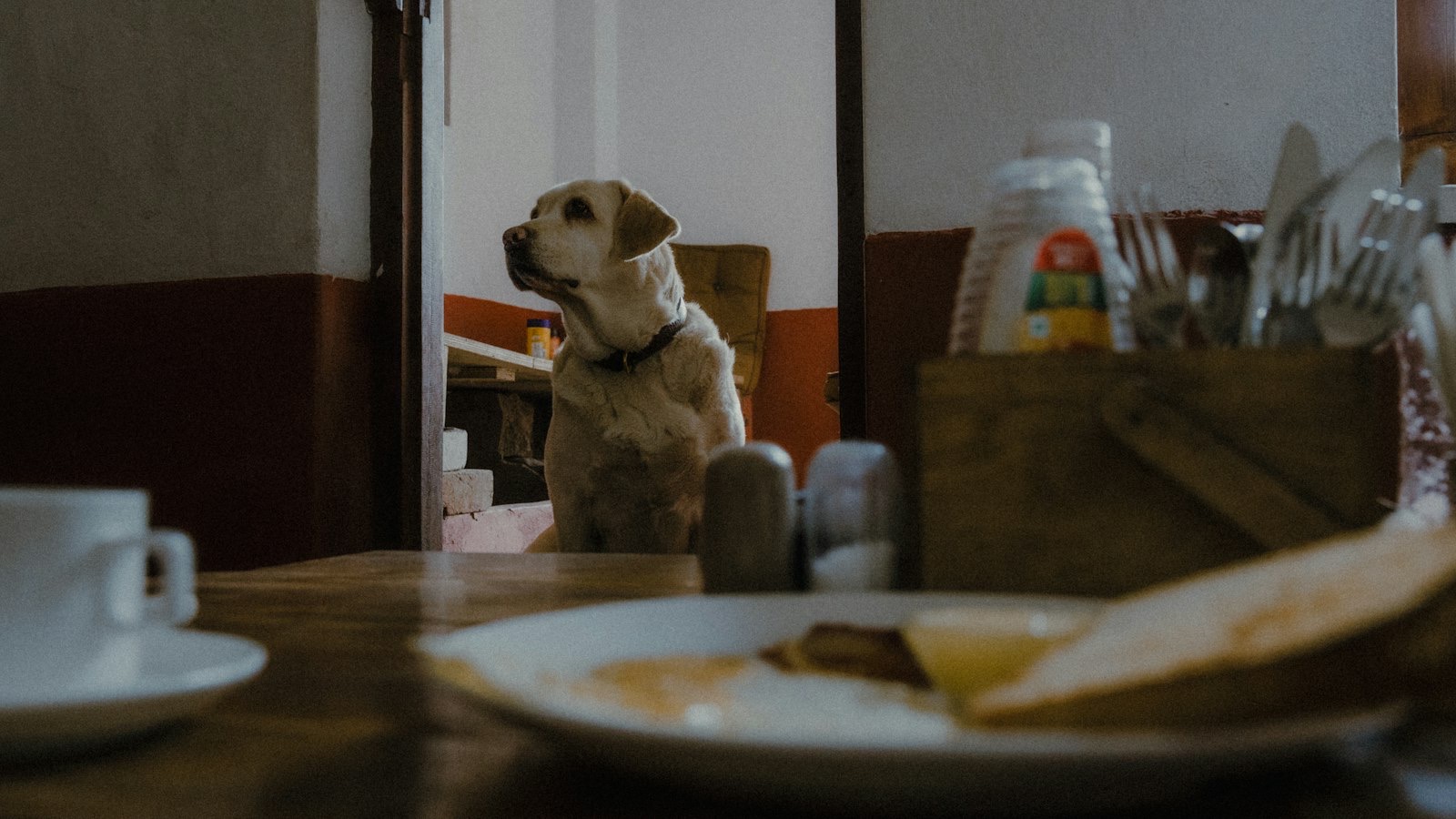
The goodbye you didn't get
You didn't get the last look, the long petting, or the words you would have said. A long illness at least gives some people that chance. You didn't have it, but you can still say it. It's late, and it counts.
- Write him a letter. Start with "I didn't get to tell you." Say the ordinary things: the sound of his nails on the floor, the way he waited at the door. You can burn it, bury it, or keep it.
- Say it out loud. In the yard, in the car, wherever he rode along. Speaking it is different from thinking it.
- Keep one thing in the open. A collar by the door, a photo on the fridge, a candle at dinner. Putting something visible in the room can help it feel less like he vanished.

If the guilt is about a decision you did make, such as choosing a treatment, our guide to guilt after a euthanasia decision works through "did I do it right" for a different kind of ending. If the house has gone silent in a way you can't stand, small ways to cope with a too-quiet house is about the mornings and evenings.
Who to talk to this week
You don't have to be calm to call. Cornell University's pet loss support hotline takes calls at 607-218-7457, Monday to Friday 6 to 9 p.m. and Saturday and Sunday 12 to 9 p.m., listed as EST on its page. The page says callers can stay anonymous, and it notes that circumstances such as accidental death affect the grieving process (Cornell page, opened November 22, 2026). The Association for Pet Loss and Bereavement offers free, scheduled live chat sessions run by trained volunteers, including several evenings a week, Eastern Time (APLB chat page, opened November 22, 2026). Check the pages for current hours, since they can change. Our pet loss support guide lists more places, and why pet loss hurts so much explains why this can feel so big.
If the thoughts get dark, if you start to feel that you don't want to be here, in the US you can call or text 988, the Suicide & Crisis Lifeline. It is free and confidential, and it runs 24 hours a day (988 Lifeline page, opened November 22, 2026). You don't need to be in a crisis to call.
If another senior dog is still at home
A sudden death can make you start listening to the breathing of the animal who is still here. That fear is normal, and the useful response is a calm conversation with your vet about checkups and what to watch for. SILVERPAW, a site for families of senior dogs, has a guide to preparing for a senior dog's vet visit that can help you prepare questions. Anything that worries you about your own animal belongs with your veterinarian first.
One small thing for him
When you feel like it, you can create a memorial page for him, free and without ads. You don't have to write about how it ended. Write his name, his favorite spot, the sound he made when you got home. It is a place to put the goodbye you were meant to have.

If this helped, you can pass it on to someone who is grieving.
Keep reading
- 2026-11-22
In-Home Pet Euthanasia: Who Checks the Vets? What to Ask Before You Book
Every home-visit site says compassionate. None says who checks. What the profession said about oversight, what state and federal rules cover, and what to ask.
- 2026-11-20
How Do I Know I'm Getting My Pet's Ashes Back? What to Ask in Writing
The box that came home is lighter than you expected, and the question you pushed aside is back. Why the amount varies, what to ask in writing, and how to hold the doubt.
If you are thinking about harming yourself, call or text 988 in the US, any time.